
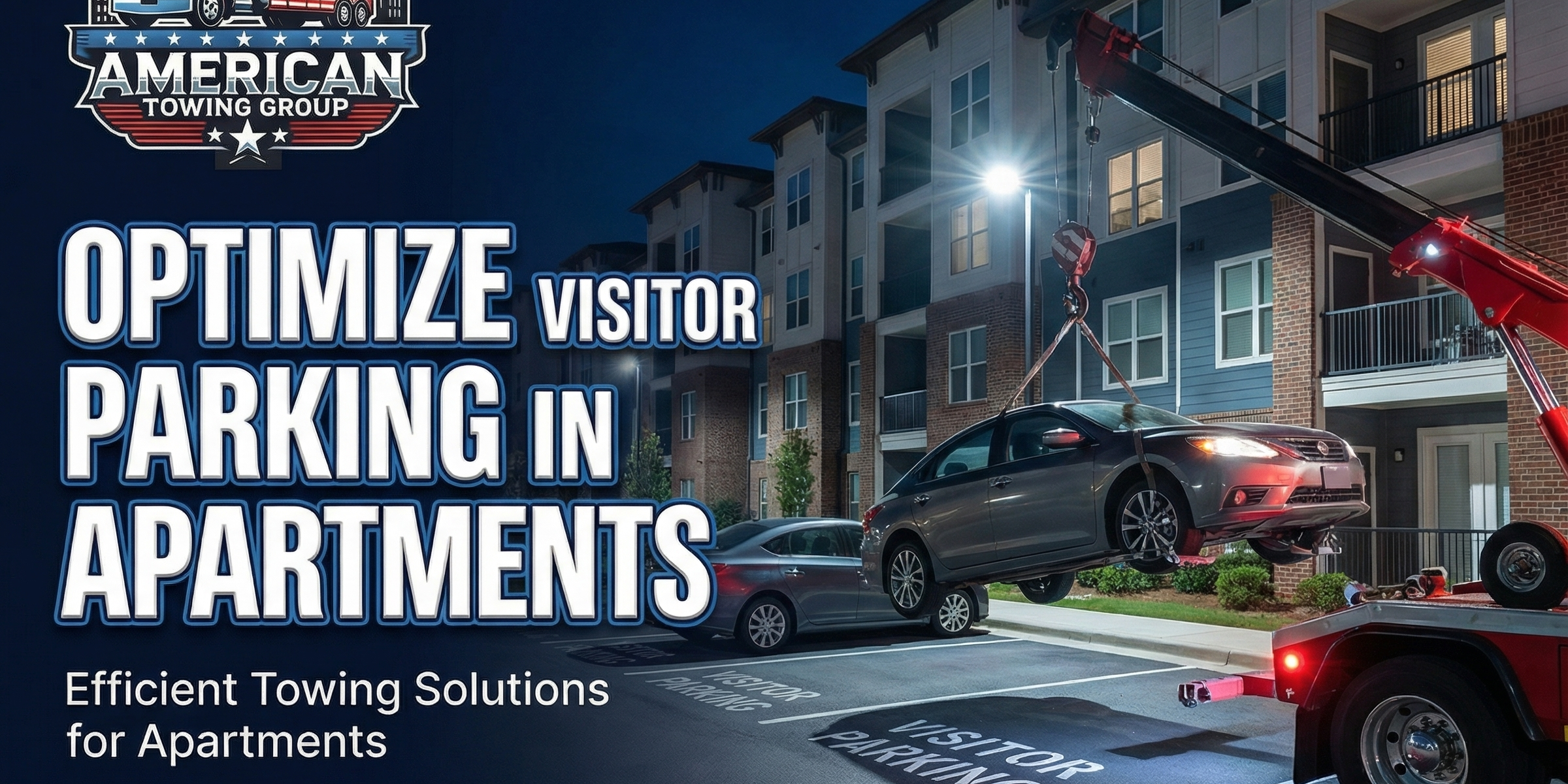
Enhancing Visitor Parking Efficiency Through Smart Parking Tech in Apartment Complexes
As urban populations continue to grow and residential developments become increasingly dense, the demand for efficient visitor parking in apartment complexes has never been more critical. Traditional parking systems often fall short in addressing the dynamic needs of residents and their guests, leading to frustration, unauthorized use of spaces, and inefficient utilization of available parking resources. To address these challenges, many property managers and developers are turning to smart parking technologies as a means to enhance visitor parking efficiency and improve overall resident satisfaction.
Smart parking technology encompasses a range of digital tools and systems designed to streamline the parking experience. These include real-time occupancy sensors, automated license plate recognition (ALPR), mobile applications for space reservation, and cloud-based management platforms. By integrating these technologies, apartment complexes can gain greater control over their parking assets while offering a more convenient and transparent experience for visitors.
One of the primary advantages of smart parking systems is the ability to monitor space availability in real time. Occupancy sensors installed in visitor parking spots can detect whether a space is occupied or vacant, transmitting this data to a centralized platform. This information can then be displayed on digital signage at the entrance or accessed through a mobile app, allowing visitors to quickly identify available spaces without the need to circle the lot. This not only reduces traffic congestion within the complex but also minimizes the time and frustration associated with finding a parking spot.
In addition to real-time monitoring, smart parking solutions often include reservation capabilities. Through a dedicated mobile application or web portal, residents can pre-authorize guest parking by reserving a space for a specific time and date. This feature ensures that visitors have a guaranteed spot upon arrival, reducing the likelihood of unauthorized parking and improving overall space utilization. Furthermore, automated license plate recognition systems can be used to verify that only approved vehicles are accessing designated visitor areas, enhancing security and compliance with parking policies.
Another significant benefit of smart parking technology is the ability to collect and analyze data over time. Property managers can use this data to identify usage patterns, peak visitation times, and underutilized areas. With these insights, they can make informed decisions about reconfiguring parking layouts, adjusting visitor parking policies, or investing in additional infrastructure. For example, if data reveals that visitor spaces are consistently underused during weekdays but in high demand on weekends, management can implement dynamic allocation strategies to better match supply with demand.
Moreover, the integration of smart parking systems can lead to cost savings and operational efficiencies. Automated enforcement reduces the need for manual patrols, while digital record-keeping simplifies administrative tasks such as issuing permits or handling violations. Additionally, by improving the overall parking experience, apartment complexes can enhance their appeal to prospective tenants, potentially increasing occupancy rates and property value.
In conclusion, the adoption of smart parking technology represents a forward-thinking approach to managing visitor parking in apartment complexes. By leveraging real-time data, automation, and user-friendly interfaces, these systems not only improve efficiency and security but also contribute to a more seamless and satisfying experience for residents and their guests. As the demand for smarter urban living solutions continues to rise, embracing these innovations will be essential for apartment communities seeking to stay competitive and responsive to the evolving needs of their residents.
Implementing Permit Systems for Better Guest Control and Residential Parking Management
In the ongoing effort to enhance residential parking management, implementing a structured permit system has emerged as a highly effective strategy for apartment complexes. As urban populations grow and multifamily housing becomes more prevalent, the demand for limited parking spaces intensifies. This often leads to conflicts between residents and their guests, particularly when visitor parking is not clearly regulated. A well-designed permit system can alleviate these tensions by providing a transparent and enforceable framework for managing both resident and guest parking.
To begin with, a permit system allows property managers to monitor and control who is parking within the complex. By issuing designated permits to residents and temporary passes to visitors, management can ensure that only authorized vehicles occupy the available spaces. This not only helps prevent unauthorized parking but also deters long-term guest vehicle storage, which can otherwise reduce the availability of spaces for actual residents. Moreover, such systems can be tailored to the specific needs of the community, whether through digital platforms or physical tags, offering flexibility in implementation.
Furthermore, permit systems contribute to improved security within the complex. When all vehicles are accounted for through a registration process, it becomes easier to identify unfamiliar or suspicious vehicles. This added layer of oversight can enhance the overall safety of the community, giving residents peace of mind. In addition, enforcement becomes more straightforward, as security personnel or management staff can quickly verify whether a vehicle is authorized to be on the premises. This reduces the likelihood of disputes and ensures consistent application of parking rules.
Another significant advantage of implementing a permit system is the ability to collect data on parking usage. By tracking when and where permits are used, property managers can gain valuable insights into peak usage times, visitor frequency, and potential problem areas. This data can inform future decisions about parking allocation, infrastructure improvements, or even the need for additional spaces. In turn, this proactive approach supports long-term planning and helps maintain a high standard of living for residents.
Transitioning to a permit-based system does require careful planning and communication. Residents must be informed about the new procedures, including how to obtain permits, the rules governing their use, and the consequences of non-compliance. Clear signage and accessible information are essential to ensure a smooth rollout. Additionally, offering a grace period during the initial implementation phase can help residents and guests adjust to the new system without undue stress.
It is also important to consider the technological options available. Many apartment complexes are now adopting digital permit systems that allow residents to register guests online or through mobile apps. These platforms can streamline the process, reduce administrative burden, and provide real-time updates to management. Digital systems also offer the advantage of scalability, making it easier to adapt as the community grows or as parking needs evolve.
In conclusion, implementing a permit system is a practical and effective method for improving guest control and residential parking management in apartment complexes. By establishing clear guidelines, enhancing security, and leveraging data, property managers can create a more organized and equitable parking environment. As communities continue to seek efficient solutions to parking challenges, permit systems stand out as a reliable and adaptable approach.
Strategies for Apartment Management to Optimize Limited Visitor Parking Spaces
Effectively managing limited visitor parking spaces in apartment complexes presents a persistent challenge for property managers. As urban density increases and residential developments grow, the demand for convenient and accessible parking intensifies. To address this issue, apartment management must implement strategic solutions that balance the needs of residents, visitors, and operational efficiency. By adopting a combination of policy development, technological integration, and proactive communication, property managers can optimize the use of available parking spaces and enhance the overall resident experience.
One of the most effective strategies begins with establishing clear and enforceable parking policies. These policies should define the allocation of visitor spaces, outline time limits, and specify any permit requirements. By setting expectations upfront, management can prevent misuse and ensure that spaces are available for genuine visitors. It is also essential to communicate these policies clearly to both residents and their guests through signage, welcome packets, and digital platforms. Consistent enforcement of these rules further reinforces their importance and deters unauthorized use.
In addition to policy development, leveraging technology can significantly improve parking efficiency. Implementing a digital parking management system allows for real-time monitoring of space availability and streamlines the reservation process. Visitors can register their vehicles through a mobile app or online portal, reducing administrative burden and minimizing confusion. Some systems also offer license plate recognition, which enhances security and ensures that only authorized vehicles occupy designated spaces. By utilizing such tools, apartment complexes can better manage demand and provide a more seamless experience for guests.
Another practical approach involves optimizing the physical layout of the parking area. Re-striping spaces to maximize capacity, designating specific zones for short-term and long-term parking, and ensuring clear signage can all contribute to more efficient use of space. In some cases, converting underutilized areas into additional visitor parking may be a viable option. For example, during off-peak hours, certain resident spaces could be temporarily reallocated to accommodate guests, provided that this does not inconvenience tenants.
Furthermore, encouraging alternative transportation options can alleviate pressure on limited parking resources. Promoting the use of public transit, rideshare services, or bicycles among residents and visitors can reduce the overall demand for parking. Providing amenities such as bike racks, shuttle services, or partnerships with local transit providers can support this initiative and demonstrate a commitment to sustainable living practices.
Equally important is fostering open communication between management and residents. Soliciting feedback on parking challenges and involving tenants in the development of solutions can lead to more effective and widely accepted policies. Regularly reviewing and adjusting parking strategies based on occupancy trends and resident input ensures that the system remains responsive and equitable.
Ultimately, optimizing visitor parking in apartment complexes requires a multifaceted approach that combines thoughtful planning, technological innovation, and community engagement. By proactively addressing the limitations of available space and implementing targeted strategies, apartment management can enhance convenience for visitors, maintain resident satisfaction, and uphold the overall functionality of the property. As urban living continues to evolve, so too must the methods used to manage one of its most valuable resources—parking.
Maximize efficiency and improve resident satisfaction by optimizing visitor parking in your apartment complex. Don’t let disorganized parking impact your community—take control today.
Get Your Free Parking Optimization Quote Now
