Understanding Towing Laws: A Property Owner’s Guide To Abandoned Car Removal
Understanding towing laws is a critical component for any property owner dealing with the issue of abandoned vehicle removal. As urban and suburban areas continue to grow, the presence of unclaimed or inoperative vehicles on private property has become increasingly common. These vehicles not only create an eyesore but can also pose safety hazards and reduce property value. Therefore, knowing the legal framework surrounding their removal is essential to ensure compliance and avoid potential liability.
To begin with, it is important to recognize that towing laws vary significantly from one jurisdiction to another. Local and state regulations govern the procedures for identifying, reporting, and ultimately removing abandoned vehicles. Property owners must familiarize themselves with these laws before taking any action. In most cases, a vehicle is considered abandoned if it has been left unattended on private property without the consent of the owner for a specified period, which can range from 24 hours to several days depending on the location.
Once a vehicle is identified as abandoned, the next step typically involves notifying local law enforcement or a designated municipal agency. This notification is not merely a formality; it is often a legal requirement. Authorities may conduct a check to determine whether the vehicle has been reported stolen or is linked to any criminal activity. Additionally, they may issue a notice to the vehicle’s registered owner, providing them with an opportunity to reclaim the vehicle within a certain timeframe.
If the vehicle remains unclaimed after the notice period, property owners may then proceed with arranging for its removal. However, it is crucial to use a licensed towing company that is authorized to handle abandoned vehicles. Unauthorized towing can lead to legal repercussions, including fines or civil liability. Moreover, the towing company must follow specific procedures, such as documenting the condition of the vehicle and maintaining records of the tow, to ensure transparency and accountability.
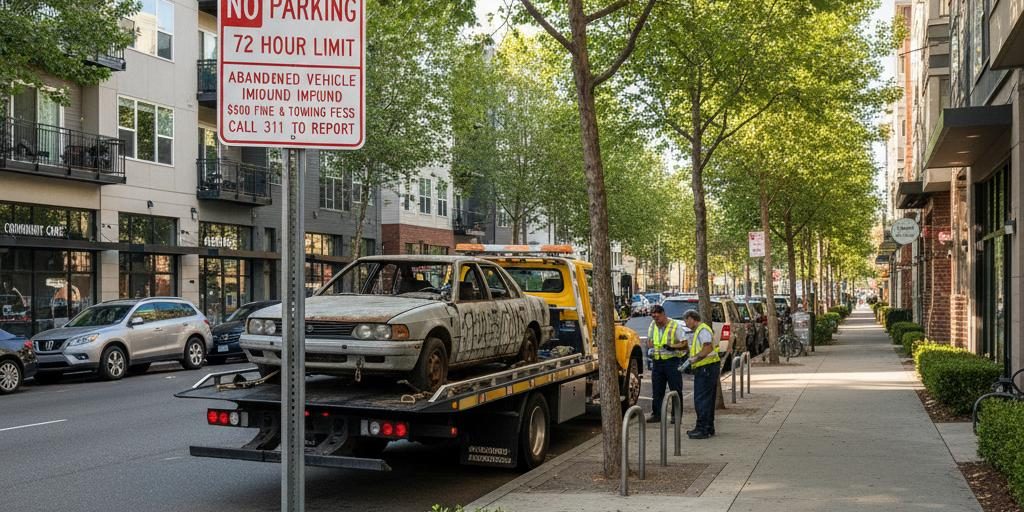
In some jurisdictions, property owners may be required to post visible signage indicating that unauthorized vehicles will be towed at the owner’s expense. This signage must meet certain criteria, such as size, placement, and wording, to be legally enforceable. Failure to comply with these requirements can invalidate the towing process and expose the property owner to legal challenges.
Furthermore, it is advisable for property owners to keep detailed records of all communications and actions taken throughout the process. This includes photographs of the vehicle, copies of notices sent, and any correspondence with law enforcement or towing companies. These records can serve as evidence in the event of a dispute or legal inquiry.
In conclusion, while the removal of abandoned vehicles from private property is often necessary for maintaining safety and aesthetics, it must be approached with a clear understanding of the applicable towing laws. By adhering to local regulations, coordinating with appropriate authorities, and employing licensed professionals, property owners can navigate the process effectively and lawfully. Taking these steps not only ensures compliance but also protects the rights and interests of all parties involved.
How To Handle Derelict Vehicles: Junk Vehicle Towing And Car Disposal Tips
Dealing with derelict vehicles on private property can be a challenging and often frustrating experience for property owners. Whether the vehicle has been left behind by a tenant, abandoned by an unknown party, or simply deteriorated over time, it is essential to understand the proper procedures for removal and disposal. Taking the right steps not only ensures compliance with local laws but also helps maintain the safety and appearance of your property.
The first step in handling a junk or abandoned vehicle is to determine its legal status. In many jurisdictions, a vehicle is considered derelict if it is inoperable, lacks current registration, or has been left unattended for a specified period. Property owners should consult local ordinances or contact municipal authorities to confirm whether the vehicle meets the criteria for abandonment. This is a crucial step, as removing a vehicle without proper authorization can lead to legal complications.
Once the vehicle has been identified as abandoned or junk, the next course of action is to notify the appropriate authorities. In most cases, this involves contacting the local police department or code enforcement office. They may require a formal report or inspection to verify the vehicle’s condition and ownership status. If the vehicle is on private property, the owner may be asked to post a notice on the vehicle for a designated period, typically 72 hours to 30 days, depending on local regulations. This notice serves as a warning to the owner and provides an opportunity for them to remove the vehicle voluntarily.
If the vehicle remains unclaimed after the notice period, property owners can proceed with arranging for its removal. At this stage, it is advisable to work with a licensed junk vehicle towing service. These professionals are equipped to handle the safe and legal transport of derelict vehicles and often have experience navigating the necessary paperwork. When selecting a towing company, ensure they are properly insured and familiar with local disposal requirements. Some services may even offer compensation for vehicles that still have salvageable parts or recyclable materials.
Proper disposal of the vehicle is the final step in the process. Depending on the condition of the car, it may be taken to a salvage yard, recycling center, or authorized disposal facility. It is important to obtain documentation of the vehicle’s removal and disposal, as this can serve as proof of compliance with local laws and protect the property owner from future liability. In some cases, the towing company will provide a certificate of destruction or a receipt confirming that the vehicle has been dismantled or recycled.
Throughout this process, maintaining clear records and following legal procedures is essential. Not only does this ensure that the vehicle is removed in accordance with the law, but it also helps avoid potential disputes with previous owners or local authorities. By taking a methodical and informed approach, property owners can effectively manage the removal of derelict vehicles and restore the integrity of their property. As urban and suburban areas continue to grow, understanding how to handle junk vehicle towing and disposal becomes an increasingly important aspect of responsible property management.
Creating Effective Tow-Away Zones: Property Cleanup Strategies For Abandoned Vehicle Removal
Creating effective tow-away zones is a critical component of property cleanup strategies, particularly when addressing the persistent issue of abandoned vehicle removal. Property owners, whether managing residential complexes, commercial lots, or vacant land, often face challenges when unauthorized or derelict vehicles are left unattended for extended periods. These vehicles not only detract from the aesthetic appeal of the property but can also pose safety hazards and legal liabilities. Therefore, establishing clear and enforceable tow-away zones is essential for maintaining order and ensuring compliance with local regulations.
To begin with, property owners must familiarize themselves with municipal and state laws governing vehicle removal. Jurisdictions often have specific requirements regarding signage, notification procedures, and the involvement of law enforcement or licensed towing companies. Understanding these legal frameworks is the first step in creating a tow-away zone that is both effective and legally defensible. For instance, many areas mandate that signage be prominently displayed at all entrances and throughout the property, clearly stating that unauthorized vehicles will be towed at the owner’s expense. These signs must typically include the name and contact information of the towing company, as well as reference the applicable legal code.
Once legal compliance is ensured, the next step involves strategic placement of signage and consistent enforcement. Signage should be visible, weather-resistant, and placed at regular intervals to eliminate any ambiguity. In addition to physical signs, property owners may consider incorporating tow-away policies into lease agreements or community guidelines, thereby reinforcing the rules through multiple channels. This proactive communication helps deter potential violators and provides a clear basis for enforcement actions.
Moreover, collaboration with a reputable towing service is vital. Establishing a contractual relationship with a licensed and insured towing company ensures that vehicles can be removed promptly and in accordance with legal standards. It is advisable to select a company with experience in handling abandoned vehicle situations, as they will be familiar with the necessary documentation and procedures. Regular communication with the towing provider also allows for swift response times and minimizes disruptions to property operations.
In tandem with these efforts, property owners should implement a system for documenting violations. Photographic evidence, time-stamped records, and written notices can all serve as valuable tools in the event of disputes or legal challenges. This documentation not only supports the legitimacy of the tow but also demonstrates a consistent and fair approach to enforcement. Additionally, maintaining a log of all towed vehicles, including dates, times, and reasons for removal, contributes to transparency and accountability.
Finally, it is important to periodically review and update tow-away zone policies to reflect changes in local laws or property usage. As communities evolve and regulations shift, staying informed ensures continued compliance and effectiveness. Property owners may also benefit from consulting with legal counsel or property management professionals to refine their strategies and address any emerging concerns.
In conclusion, creating effective tow-away zones is a multifaceted process that requires careful planning, legal awareness, and ongoing management. By taking a structured and informed approach, property owners can successfully mitigate the impact of abandoned vehicles, enhance the appearance and safety of their properties, and uphold the rights and expectations of lawful tenants and visitors.
Take control of your property today—learn how to handle abandoned vehicles with our “Abandoned Vehicle Removal: Property Owner’s Guide – July Series #48.”
Get your free quote now and reclaim your space!
