
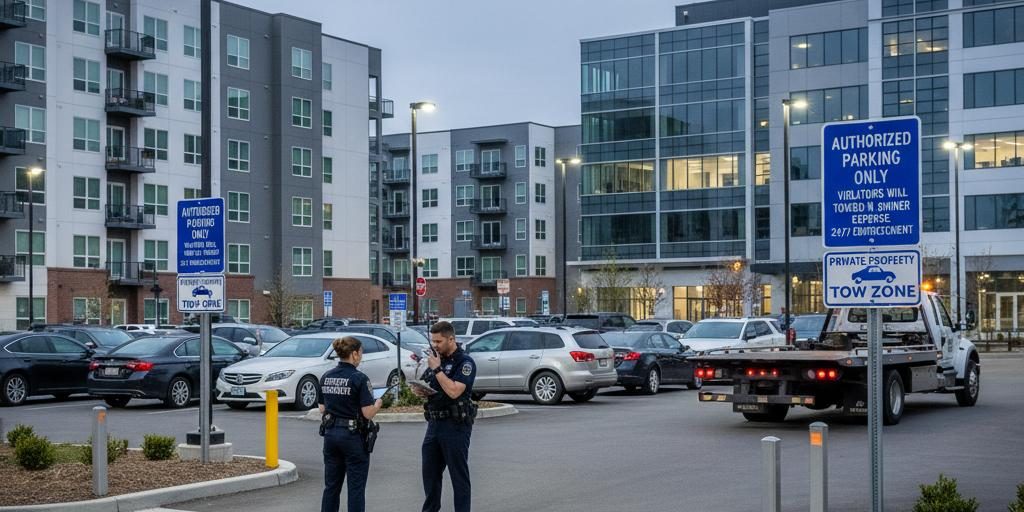
Understanding Property Laws: Key Enforcement Tips For Private Property Parking
Effective enforcement of parking regulations on private property requires a thorough understanding of property laws and a strategic approach to implementation. Property owners and managers must navigate a complex legal landscape to ensure that their enforcement practices are both lawful and effective. By understanding the legal framework that governs private property parking, stakeholders can better protect their rights while maintaining order and accessibility on their premises.
To begin with, it is essential to recognize that private property owners have the legal right to control access to and use of their land, including parking areas. This right allows them to establish rules regarding who may park on the property, under what conditions, and for how long. However, the enforcement of these rules must comply with local and state laws, which can vary significantly depending on the jurisdiction. Therefore, property owners should consult with legal counsel or local authorities to ensure that their enforcement policies align with applicable regulations.
One of the most effective ways to enforce parking rules is through clear and visible signage. Signage should be placed at all entrances and throughout the parking area to inform drivers of the rules, potential penalties for violations, and contact information for enforcement personnel. These signs must meet local legal standards in terms of size, language, and placement to be considered enforceable. Without proper signage, property owners may face challenges in holding violators accountable, as courts often require clear notice before penalties can be imposed.
In addition to signage, property owners should consider implementing a permit or registration system for authorized vehicles. This system can help distinguish between permitted users and unauthorized vehicles, making enforcement more straightforward. For example, residential complexes may issue parking decals to tenants, while commercial properties might use digital registration systems for employees and visitors. By maintaining accurate records of authorized vehicles, property managers can more easily identify violations and take appropriate action.
When it comes to enforcement actions, such as ticketing, towing, or immobilization, it is crucial to follow due process. Many jurisdictions require specific procedures to be followed before a vehicle can be towed or immobilized, including providing notice to the vehicle owner and allowing a grace period for compliance. Failure to adhere to these procedures can result in legal liability for the property owner or enforcement agent. Therefore, it is advisable to work with licensed and insured towing companies that are familiar with local laws and can ensure compliance.
Moreover, documentation plays a vital role in effective enforcement. Keeping detailed records of violations, including photographs, time stamps, and written reports, can provide essential evidence in the event of disputes or legal challenges. This documentation not only supports the legitimacy of enforcement actions but also helps identify patterns of misuse that may require additional measures.
Finally, fostering communication with tenants, employees, or visitors can enhance compliance and reduce conflicts. Providing clear information about parking policies, offering channels for feedback, and addressing concerns promptly can build trust and cooperation. By combining legal knowledge with practical enforcement strategies, property owners can maintain control over their parking areas while minimizing legal risks and promoting a respectful environment for all users.
Parking Control Strategies: How To Handle Unauthorized Vehicles Effectively
Effective enforcement of parking regulations in private lots is essential to maintaining order, ensuring safety, and maximizing the availability of spaces for authorized users. Unauthorized vehicles not only disrupt the intended use of the property but can also lead to liability issues and customer dissatisfaction. Therefore, implementing a comprehensive parking control strategy is crucial for property owners and managers seeking to handle unauthorized vehicles effectively.
To begin with, clear and visible signage plays a foundational role in any enforcement strategy. Signs should be strategically placed at all entrances and throughout the lot, clearly stating the parking rules, restrictions, and potential consequences for violations. This includes specifying who is allowed to park, the hours of enforcement, and whether towing or fines will be imposed. When signage is unambiguous and compliant with local regulations, it serves as both a deterrent and a legal safeguard, making it easier to take enforcement actions when necessary.
In addition to signage, the use of access control systems can significantly reduce the incidence of unauthorized parking. Gated entry systems, keycard access, or license plate recognition technology can help restrict entry to only those with permission. These systems not only prevent unauthorized vehicles from entering in the first place but also provide a record of vehicle activity, which can be useful for enforcement and dispute resolution.
However, even with preventive measures in place, unauthorized vehicles may still find their way into private lots. In such cases, consistent monitoring is essential. Employing trained parking attendants or security personnel to patrol the area at regular intervals can help identify violations promptly. Alternatively, property managers may opt for remote monitoring through surveillance cameras, which can be particularly effective when integrated with license plate recognition software. This technology allows for real-time alerts when unauthorized vehicles are detected, enabling swift action.
Once a violation is identified, it is important to follow a standardized enforcement protocol. This may include issuing warning notices, placing violation stickers on the vehicle, or initiating towing procedures. It is advisable to document each incident thoroughly, including photographs, time stamps, and any communication with the vehicle owner. Such documentation not only supports the enforcement action but also helps defend against potential legal challenges.
Moreover, partnering with a reputable towing company is a critical component of an effective enforcement strategy. The towing provider should be familiar with local laws and capable of responding promptly to service requests. Establishing a formal agreement with the towing company ensures that procedures are followed consistently and that vehicle owners are treated fairly and professionally.
Finally, communication with tenants, employees, or customers who use the parking lot regularly is key to maintaining compliance. Regular reminders about parking policies, updates on enforcement practices, and opportunities for feedback can foster cooperation and reduce the likelihood of violations. When users understand the rules and the reasons behind them, they are more likely to comply voluntarily.
In conclusion, handling unauthorized vehicles in private parking lots requires a multifaceted approach that combines prevention, monitoring, enforcement, and communication. By implementing these strategies thoughtfully and consistently, property managers can maintain control over their parking facilities while minimizing conflict and ensuring a positive experience for authorized users.
Enhancing Security And Parking Rights: Best Practices For Private Lot Enforcement
Effective enforcement of private parking lots is essential to maintaining order, ensuring safety, and protecting the rights of property owners and authorized users. As urban areas continue to grow and parking becomes increasingly scarce, private lot owners face mounting challenges in managing unauthorized use, enforcing regulations, and deterring violations. To address these concerns effectively, it is crucial to implement a combination of strategic planning, technological tools, and clear communication.
One of the foundational steps in enhancing security and parking rights is establishing well-defined parking policies. These policies should outline who is permitted to park, under what conditions, and the consequences of non-compliance. Clearly posted signage plays a vital role in this process. Signs should be visible, legible, and placed at all entrances and throughout the lot to inform drivers of the rules. This not only helps prevent misunderstandings but also strengthens the legal standing of enforcement actions.
In addition to signage, the use of access control systems can significantly improve security. Gated entry points, keycard access, or license plate recognition systems can restrict entry to authorized vehicles only. These systems not only deter unauthorized parking but also provide a record of vehicle entries and exits, which can be invaluable in resolving disputes or investigating incidents. Moreover, integrating surveillance cameras throughout the lot enhances monitoring capabilities and serves as a deterrent to both parking violations and criminal activity.
Another best practice involves regular patrols by trained personnel. Whether conducted by in-house staff or contracted enforcement agencies, routine inspections help ensure compliance with parking rules and allow for immediate response to violations. Enforcement officers should be well-versed in local laws and the specific policies of the lot they oversee. Their presence alone can discourage rule-breaking and promote a sense of order and safety among legitimate users.
To further support enforcement efforts, it is important to establish a fair and transparent violation process. This includes issuing warnings or citations for first-time offenders, followed by escalating consequences such as fines, towing, or revocation of parking privileges for repeat violations. Documentation is key; maintaining detailed records of infractions, including photographs and time-stamped notes, can help defend against disputes and demonstrate consistency in enforcement.
Technology also plays a growing role in modern parking enforcement. Mobile apps and digital platforms can streamline the issuance of citations, track violations, and facilitate communication between enforcement personnel and lot managers. These tools can also allow users to register their vehicles, pay for parking, or appeal citations, thereby improving the overall user experience while maintaining control over the lot.
Finally, fostering open communication with tenants, employees, or residents who use the lot regularly can lead to better compliance and cooperation. Providing clear instructions, updates on policy changes, and channels for feedback helps build trust and encourages users to respect the rules. When users feel informed and heard, they are more likely to adhere to regulations and report issues proactively.
In conclusion, effective enforcement of private parking lots requires a multifaceted approach that combines clear policies, strategic use of technology, consistent monitoring, and open communication. By implementing these best practices, lot owners and managers can enhance security, protect parking rights, and create a more orderly and respectful environment for all users.
**Take Control of Your Lot!** Discover top strategies in our *Effective Enforcement Tips for Private Parking Lots – July Series #46*. Ensure safety, compliance, and peace of mind.
Get Your Free Quote Today
