Understanding Towing Laws: A Property Owner’s Guide To Abandoned Car Removal
Understanding the legal framework surrounding the removal of abandoned vehicles is essential for property owners seeking to maintain the safety, appearance, and functionality of their premises. Whether managing a residential complex, commercial property, or private land, dealing with unauthorized or abandoned vehicles can be a persistent challenge. To address this issue effectively and lawfully, property owners must familiarize themselves with local and state towing laws, which vary significantly depending on jurisdiction.
First and foremost, it is important to determine whether a vehicle is legally considered abandoned. Most states define an abandoned vehicle as one that has been left unattended on private property without the consent of the property owner for a specified period, often ranging from 24 to 72 hours. However, the exact criteria can differ, and some municipalities may impose additional conditions, such as the vehicle’s condition or registration status. Therefore, property owners should consult their local ordinances or contact municipal authorities to confirm the applicable definition and time frame.
Once a vehicle meets the criteria for abandonment, the next step involves adhering to the proper notification procedures. In many jurisdictions, property owners are required to post a visible notice on the vehicle, informing the owner that it will be towed if not removed within a certain period. This notice typically must include specific information, such as the date and time it was posted, the name and contact information of the property owner or manager, and a warning about the impending tow. In some cases, a copy of the notice must also be sent to local law enforcement or filed with a designated municipal office.
After the notice period has expired without the vehicle being removed, property owners may proceed with arranging for its removal. However, it is crucial to use a licensed towing company that is authorized to perform private property tows. These companies are familiar with the legal requirements and documentation needed to ensure the tow is conducted lawfully. Additionally, some states mandate that the towing company notify local law enforcement once the vehicle has been removed, providing details such as the vehicle’s make, model, license plate number, and the location to which it was towed.
It is also worth noting that property owners are generally prohibited from disposing of or selling an abandoned vehicle on their own. Instead, the vehicle is typically held by the towing company for a designated period, during which the rightful owner may reclaim it by paying any accrued fees. If the vehicle remains unclaimed, it may eventually be sold at auction, with proceeds used to cover towing and storage costs. Any remaining balance may be returned to the vehicle’s owner or, in some cases, to the state.
In conclusion, understanding and complying with towing laws is vital for property owners dealing with abandoned vehicles. By following the appropriate legal procedures—from identifying an abandoned vehicle to coordinating its lawful removal—property owners can protect themselves from potential liability while preserving the integrity of their property. Staying informed about local regulations and working with reputable towing professionals ensures that the process is handled efficiently and in accordance with the law.
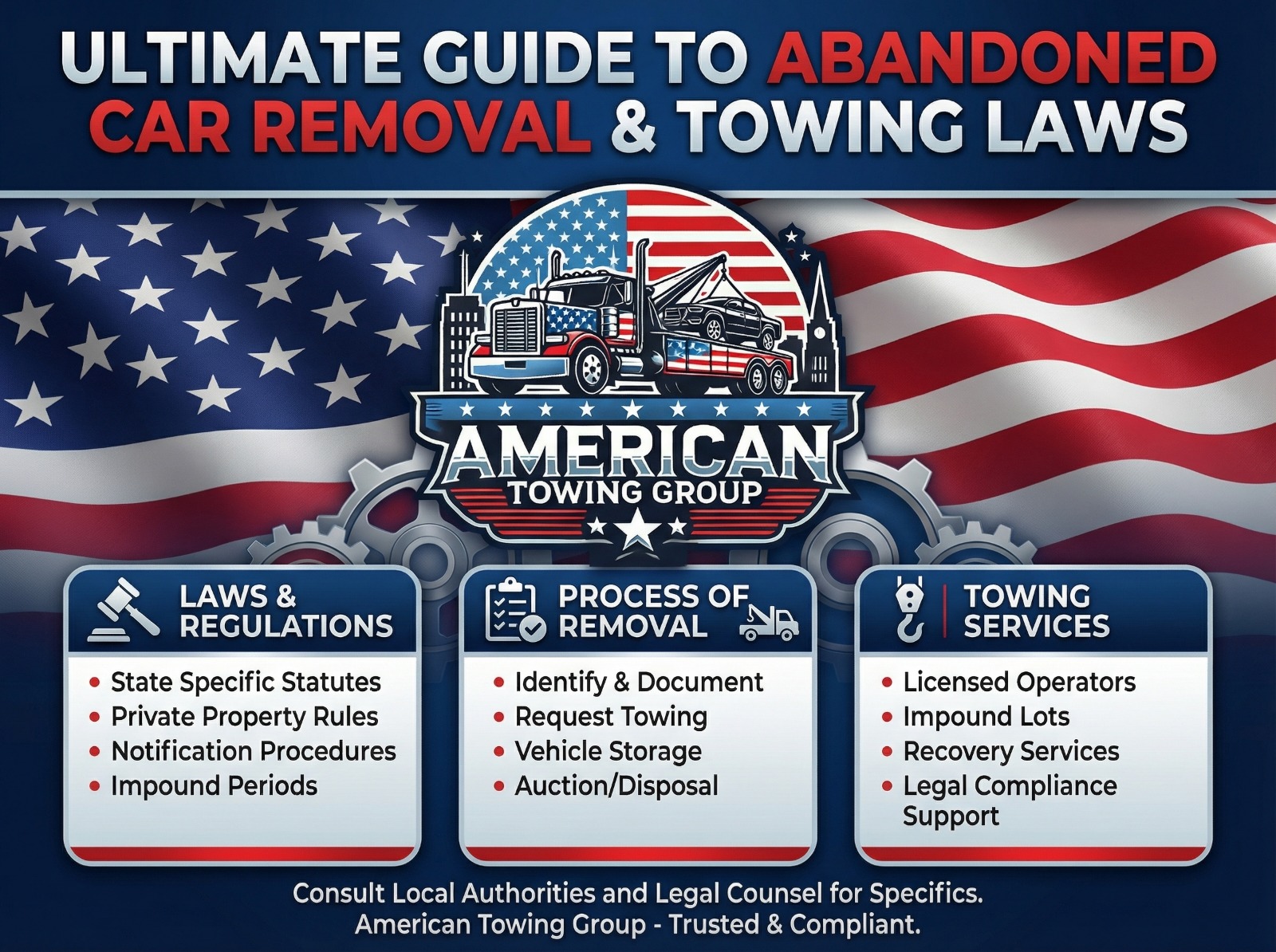
How To Handle Derelict Vehicles: Junk Vehicle Towing And Property Cleanup Tips
Dealing with derelict vehicles on private property can be a challenging and often frustrating experience for property owners. These abandoned or junk vehicles not only detract from the aesthetic appeal of a property but can also pose environmental and safety hazards. Understanding the proper steps for handling such vehicles is essential to ensure compliance with local regulations and to maintain the integrity of the property.
The first step in addressing a derelict vehicle is to determine its legal status. A vehicle may be considered abandoned or junk if it is inoperable, lacks current registration, or has been left unattended for an extended period. Property owners should consult local ordinances to understand the specific criteria that define a junk vehicle in their jurisdiction. In many areas, municipalities have clear guidelines regarding how long a vehicle can remain stationary on private property before it is classified as abandoned.
Once the vehicle has been identified as derelict, the next course of action involves documenting its condition and location. Taking photographs and noting identifying details such as the make, model, license plate (if present), and vehicle identification number (VIN) can be helpful. This documentation may be required when reporting the vehicle to local authorities or when arranging for its removal.
Before initiating removal, it is important to attempt to contact the vehicle’s owner, if known. In some cases, the vehicle may belong to a tenant, neighbor, or previous occupant. Sending a written notice or posting a visible warning on the vehicle can serve as a formal request for removal. If the owner fails to respond within the timeframe specified by local law, the property owner may then proceed with further action.
Engaging a licensed junk vehicle towing service is often the most efficient and legally compliant method for removing derelict vehicles. These professionals are equipped to handle the safe transport and disposal of inoperable vehicles and are familiar with the necessary paperwork and procedures. When selecting a towing company, it is advisable to verify their credentials and ensure they are authorized to remove and dispose of junk vehicles in accordance with local and state regulations.
In addition to removing the vehicle itself, property owners should also consider the broader implications of property cleanup. Derelict vehicles can leak hazardous fluids such as oil, coolant, and gasoline, which may contaminate soil and groundwater. After the vehicle has been removed, a thorough inspection of the area should be conducted to identify any environmental damage. If contamination is suspected, professional remediation services may be required to restore the site to a safe condition.
Preventative measures can also play a key role in avoiding future issues with abandoned vehicles. Installing signage that prohibits unauthorized parking, maintaining clear property boundaries, and regularly monitoring the premises can deter individuals from leaving vehicles on the property. Additionally, establishing clear policies for tenants or visitors regarding vehicle storage can help prevent misunderstandings and ensure that all parties are aware of their responsibilities.
By following these steps, property owners can effectively manage the removal of derelict vehicles while safeguarding their property and complying with legal requirements. Taking a proactive and informed approach not only enhances the appearance and safety of the property but also contributes to the overall well-being of the community.
Creating Effective Tow-Away Zones: Car Disposal Strategies For Property Owners
Creating effective tow-away zones is a critical component of managing private property and ensuring that unauthorized or abandoned vehicles do not become a persistent nuisance. Property owners, whether managing residential complexes, commercial lots, or vacant land, must adopt strategic car disposal methods that are both legally compliant and operationally efficient. Establishing a clear and enforceable tow-away policy not only protects the property’s value but also enhances safety and accessibility for authorized users.
To begin with, property owners must familiarize themselves with local and state regulations governing vehicle removal. These laws often dictate the signage requirements, notification procedures, and waiting periods before a vehicle can be legally towed. For instance, many jurisdictions require that tow-away zones be clearly marked with signs that include specific language, contact information for the towing company, and the hours during which towing is enforced. Failure to comply with these regulations can result in legal challenges or fines, undermining the effectiveness of the tow-away strategy.
Once legal requirements are understood, the next step involves the strategic placement of signage. Signs should be installed at all entrances and throughout the property in highly visible locations. This not only serves as a deterrent to unauthorized parking but also provides clear communication to vehicle owners about the consequences of non-compliance. In addition, consistent enforcement of the tow-away policy is essential. Sporadic or selective enforcement can lead to confusion and may weaken the credibility of the policy, making it less effective over time.
Another important consideration is the selection of a reliable towing service. Property owners should partner with licensed and insured towing companies that have experience in handling abandoned or unauthorized vehicles. A formal agreement should outline the scope of services, response times, and procedures for documenting and storing towed vehicles. This ensures that the removal process is handled professionally and in accordance with applicable laws, reducing the risk of liability for the property owner.
In some cases, property owners may encounter vehicles that appear abandoned but are not immediately eligible for towing under local ordinances. In such situations, it is advisable to issue written notices to the vehicle owner, if identifiable, and to document the condition and location of the vehicle with photographs and timestamps. This documentation can be crucial if disputes arise later. Additionally, maintaining a log of all vehicle removals, including dates, times, and reasons for towing, can provide valuable records for legal or administrative purposes.
Furthermore, integrating car disposal strategies into broader property management practices can yield long-term benefits. For example, regular inspections of parking areas can help identify potential issues before they escalate. Educating tenants or users of the property about parking policies through lease agreements, newsletters, or community meetings can also foster compliance and reduce the incidence of unauthorized vehicles.
Ultimately, creating effective tow-away zones requires a proactive and informed approach. By understanding legal obligations, implementing clear signage, partnering with reputable towing services, and maintaining thorough documentation, property owners can manage vehicle-related issues efficiently. These strategies not only support the smooth operation of the property but also contribute to a safer and more orderly environment for all stakeholders involved.
Take control of your property today—learn how to handle abandoned vehicles with ease in our Property Owner’s Guide – Series #43.
Get your free quote now and reclaim your space!
