
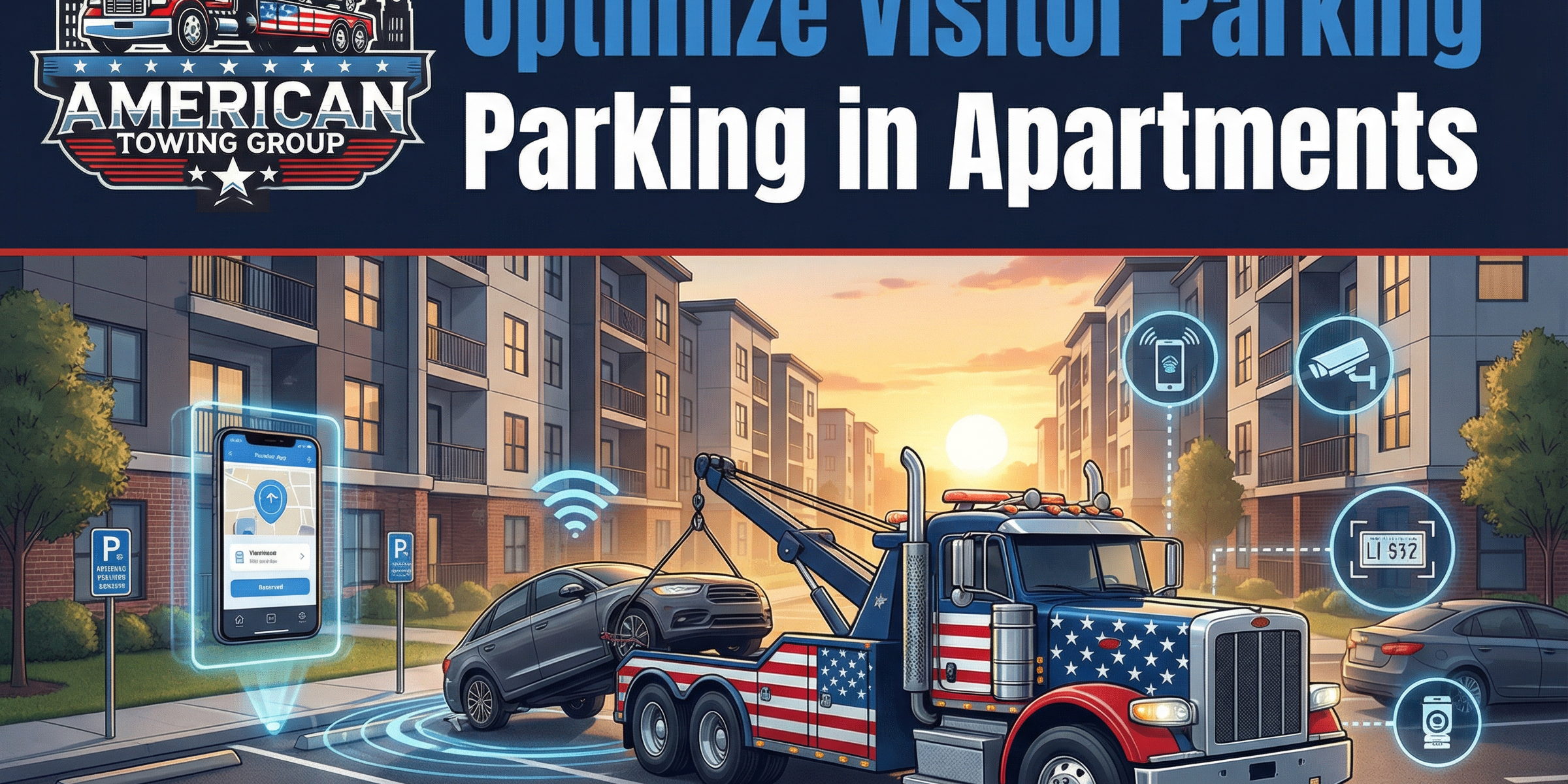
Streamlining Visitor Parking With Smart Permits And Parking Tech
In the evolving landscape of residential living, managing visitor parking in apartment complexes has become an increasingly complex challenge. As urban populations grow and vehicle ownership rises, the demand for efficient and fair parking solutions intensifies. Traditional methods, such as paper permits and manual monitoring, often fall short in addressing the dynamic needs of modern apartment communities. To meet these demands, property managers are turning to smart permits and advanced parking technologies to streamline visitor parking and enhance the overall resident experience.
Smart permits represent a significant advancement over conventional parking systems. These digital permits are typically issued through online platforms or mobile applications, allowing visitors to register their vehicles in real time. This eliminates the need for physical passes and reduces the administrative burden on property staff. Moreover, smart permits can be customized to enforce specific rules, such as time limits or restricted zones, ensuring that parking policies are consistently upheld. By automating the permit process, apartment complexes can minimize human error and prevent unauthorized vehicles from occupying valuable spaces.
In addition to smart permits, the integration of parking technology further enhances the efficiency of visitor parking management. License plate recognition (LPR) systems, for example, enable seamless entry and exit by automatically identifying registered vehicles. This not only improves security but also provides accurate data on parking usage, which can be analyzed to optimize space allocation. Furthermore, real-time monitoring tools allow property managers to track occupancy levels and identify patterns in visitor behavior. This data-driven approach supports informed decision-making and helps anticipate future parking needs.
Another key benefit of adopting smart parking solutions is the improved convenience for both residents and their guests. With mobile access to permit systems, visitors can easily obtain authorization without needing to interact with on-site personnel. Residents, in turn, can invite guests with minimal effort, fostering a more welcoming environment. Additionally, automated notifications can alert users when their parking time is nearing expiration, reducing the likelihood of violations and disputes. These features contribute to a smoother, more user-friendly experience that aligns with the expectations of today’s tech-savvy population.
Transitioning to smart permits and parking technology also supports broader operational goals. By reducing reliance on manual processes, apartment complexes can lower administrative costs and allocate resources more effectively. Enhanced enforcement capabilities deter misuse and ensure that parking spaces are used as intended, promoting fairness and accessibility. Moreover, digital records provide a transparent audit trail, which can be invaluable in resolving conflicts or addressing resident concerns.
As the demand for efficient visitor parking continues to grow, embracing smart permits and parking technology offers a forward-thinking solution. These tools not only address immediate logistical challenges but also lay the groundwork for scalable, sustainable parking management. By leveraging innovation, apartment complexes can create a more organized, secure, and resident-friendly environment. Ultimately, the integration of smart systems represents a strategic investment in the long-term success and livability of multifamily communities.
Effective Guest Control Strategies For Residential Parking Optimization
Effectively managing guest parking in residential apartment complexes is a critical component of overall parking optimization. As urban populations grow and multifamily housing becomes more prevalent, the demand for limited parking spaces continues to rise. This makes it essential for property managers and homeowners’ associations to implement strategic guest control measures that balance accessibility with order. By adopting a structured approach to visitor parking, communities can reduce congestion, prevent unauthorized use, and enhance the overall living experience for residents.
One of the most effective strategies for guest control is the implementation of a permit-based system. This approach allows property managers to monitor and regulate who is parking on the premises. Temporary permits can be issued to guests for specific durations, ensuring that visitor parking is used appropriately and not occupied by unauthorized vehicles. Digital permit systems, in particular, offer a streamlined solution by allowing residents to register their guests online, reducing administrative burden and increasing compliance. These systems can also be integrated with license plate recognition technology to automate enforcement and improve accuracy.
In addition to permit systems, clear signage plays a vital role in guiding guests and preventing confusion. Signage should be strategically placed at entrances and throughout the parking area to indicate designated visitor spots, time limits, and towing policies. When guests are well-informed about where they can park and for how long, the likelihood of violations decreases significantly. Moreover, consistent enforcement of parking rules reinforces the importance of compliance and deters repeat offenses.
Another important consideration is the allocation of visitor parking spaces. It is crucial to assess the specific needs of the community and designate an appropriate number of guest spots based on occupancy rates and historical usage patterns. Over-allocating visitor spaces can lead to underutilization, while too few can result in frustration and unauthorized parking in resident spaces. Conducting periodic evaluations and adjusting allocations as needed ensures that the parking layout remains efficient and responsive to changing demands.
Furthermore, communication between management and residents is key to successful guest control. Regular updates about parking policies, changes in procedures, and reminders about rules help maintain transparency and foster cooperation. Encouraging residents to take responsibility for their guests’ parking behavior also contributes to a more orderly environment. For instance, requiring residents to accompany their guests during check-in or to be accountable for any violations can promote greater adherence to community standards.
Technology can also enhance guest control strategies by providing real-time data and analytics. Parking management software can track usage trends, identify peak times, and highlight problem areas. This information enables property managers to make informed decisions about policy adjustments and resource allocation. Additionally, mobile apps that allow guests to check parking availability or receive notifications about their permit status can improve the overall user experience and reduce confusion.
Ultimately, optimizing visitor parking through effective guest control strategies requires a combination of planning, communication, and enforcement. By leveraging modern tools and maintaining a proactive approach, apartment complexes can create a more organized and accessible parking environment. This not only benefits residents and their guests but also contributes to the long-term value and appeal of the property.
Apartment Management Tips For Maximizing Limited Visitor Parking Spaces
Effectively managing limited visitor parking spaces in apartment complexes is a common challenge for property managers. As urban areas become more densely populated and residential developments continue to grow, the demand for convenient and accessible parking increases. To address this issue, apartment managers must implement strategic solutions that balance the needs of residents, visitors, and operational efficiency.
One of the first steps in optimizing visitor parking is to conduct a thorough assessment of the existing parking layout. This includes identifying how many spaces are currently designated for visitors, evaluating their location in relation to building entrances, and determining peak usage times. By understanding these factors, managers can make informed decisions about how to allocate and potentially reconfigure parking spaces to better serve the community.
Once the assessment is complete, establishing clear and consistent parking policies becomes essential. These policies should outline who is eligible to use visitor parking, the maximum duration of stay, and any procedures for obtaining temporary permits. Communicating these rules effectively—through signage, resident handbooks, and digital platforms—helps ensure compliance and reduces confusion. Additionally, enforcing these policies fairly and consistently is crucial to maintaining order and preventing misuse of limited spaces.
To further enhance efficiency, implementing a visitor parking registration system can be highly beneficial. Whether through a digital app or a physical logbook at the leasing office, a registration system allows management to monitor usage patterns, identify repeat offenders, and ensure that spaces are being used appropriately. Some advanced systems even offer real-time availability updates, which can help visitors plan their arrival and reduce unnecessary congestion.
In situations where visitor parking is extremely limited, exploring shared-use agreements or off-site parking options may provide relief. For example, nearby commercial properties or underutilized lots may be willing to lease spaces during off-peak hours. Coordinating with local businesses or municipal authorities can open up additional parking opportunities without requiring significant infrastructure changes.
Another effective strategy involves scheduling and time restrictions. By designating certain hours or days for visitor parking, managers can better control traffic flow and ensure that spaces are available when they are most needed. For instance, allowing visitor parking only during evenings and weekends—when resident demand is typically lower—can help maximize space utilization.
Moreover, encouraging alternative transportation options can indirectly alleviate parking pressure. Promoting the use of public transit, rideshare services, or bicycle facilities can reduce the number of vehicles requiring parking. Providing secure bike racks, offering transit pass incentives, or partnering with local rideshare companies are all proactive measures that support this goal.
Finally, fostering a sense of community responsibility among residents can contribute to more respectful and efficient use of visitor parking. Encouraging residents to report violations, share unused guest passes, or offer feedback on parking challenges creates a collaborative environment where everyone plays a role in maintaining order.
In conclusion, maximizing limited visitor parking spaces in apartment complexes requires a multifaceted approach that combines policy development, technological tools, community engagement, and creative problem-solving. By taking proactive steps and continuously evaluating the effectiveness of implemented strategies, apartment managers can enhance the overall living experience for both residents and their guests.
Optimize your apartment complex’s visitor parking today with expert solutions from Series #44. Ensure convenience, compliance, and security for your residents and guests.
