Understanding Legal Towing: When Unauthorized Vehicle Removal Is Permitted
Towing unauthorized vehicles is a process governed by specific legal frameworks designed to protect both property owners and vehicle operators. Understanding when and how to tow a vehicle legally is essential to avoid potential liability and ensure compliance with local and state regulations. The removal of unauthorized vehicles is typically permitted under certain conditions, which vary depending on jurisdiction, but generally follow a consistent set of principles.
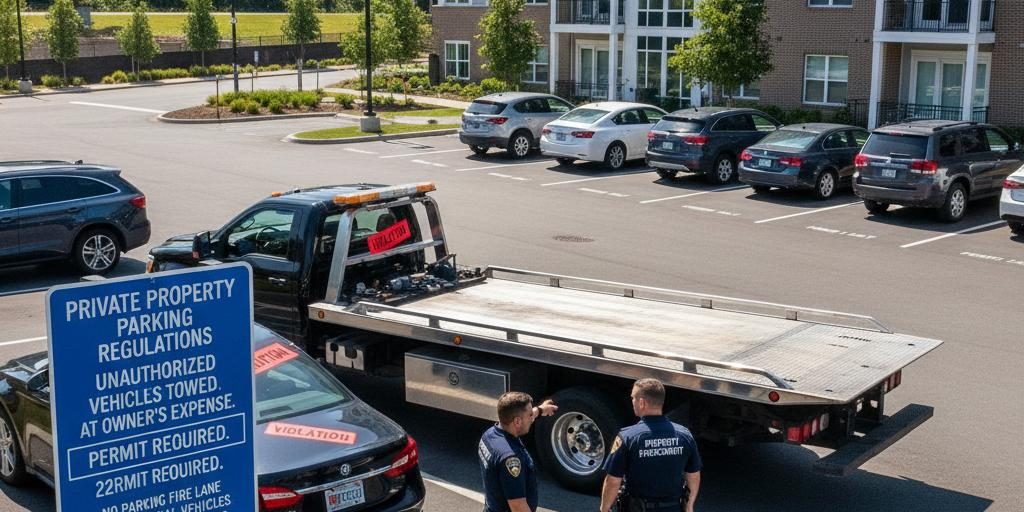
To begin with, property owners or managers must establish clear signage that indicates parking restrictions. In most states, laws require that signs be prominently displayed at all entrances to private property, detailing the rules for parking and the consequences of violating those rules. These signs must often include the name and contact information of the towing company, as well as the location where the vehicle will be stored. Without proper signage, towing a vehicle may be considered unlawful, even if the vehicle is clearly parked without permission.
In addition to signage, the timing and circumstances of the tow are critical. For example, in many jurisdictions, a vehicle may be towed immediately if it is blocking a fire lane, obstructing traffic, or parked in a space reserved for individuals with disabilities without the appropriate permit. In such cases, the urgency of the situation justifies immediate removal. However, if a vehicle is simply parked in a restricted area without posing an immediate hazard, some states require that a warning be issued or that a waiting period elapse before towing can occur. This ensures that vehicle owners have a fair opportunity to correct the violation.
Moreover, the authority to initiate a tow must be clearly defined. Typically, only the property owner, a designated agent, or law enforcement can authorize the removal of a vehicle. Unauthorized towing by individuals not legally empowered to do so can result in civil penalties and even criminal charges. It is also important to document the condition of the vehicle before towing, including photographs and written notes, to protect against claims of damage or theft.
Once a vehicle has been towed, the towing company must follow specific procedures regarding notification and storage. Most states require that the vehicle owner be notified within a certain timeframe, often within 24 to 48 hours, and that the vehicle be stored in a secure, accessible location. The notice must include information on how to retrieve the vehicle, the fees involved, and the legal consequences of failing to reclaim it. Failure to provide timely and accurate notice can render the tow unlawful and may entitle the vehicle owner to compensation.
Furthermore, towing companies must be properly licensed and insured, and they must adhere to rate structures established by local authorities. Overcharging or engaging in predatory towing practices can lead to regulatory action and damage to reputation. Therefore, it is essential for both property owners and towing operators to understand and comply with all applicable laws and regulations.
In conclusion, the legal removal of unauthorized vehicles requires careful attention to signage, authorization, timing, and procedural compliance. By following these guidelines, property owners can protect their rights while ensuring that vehicle owners are treated fairly and lawfully.
Step-By-Step Guide to Impound Procedures and Enforcement Law Compliance
Towing unauthorized vehicles is a process that must be handled with precision and adherence to legal standards to avoid liability and ensure compliance with enforcement laws. Understanding the proper procedures is essential for property owners, managers, and towing companies alike. The process begins with identifying the unauthorized vehicle and verifying that it is indeed in violation of posted parking rules or local ordinances. This may include vehicles parked in fire lanes, handicap spaces without proper permits, or those left on private property without permission.
Once a violation is confirmed, the next step involves ensuring that proper signage is in place. Most jurisdictions require that clear and visible signs be posted at all entrances to the property, indicating that unauthorized vehicles will be towed at the owner’s expense. These signs must meet specific requirements regarding size, wording, and placement, as outlined by local or state laws. Failure to comply with these signage regulations can render a tow illegal, potentially resulting in fines or legal action against the property owner or towing company.
After confirming that signage requirements are met, documentation becomes a critical part of the process. Before initiating a tow, it is advisable to take photographs of the vehicle in violation, including its license plate, the surrounding area, and the posted signage. This documentation serves as evidence that the vehicle was indeed parked improperly and that the tow was justified. Additionally, recording the date and time of the violation helps establish a clear timeline, which can be important if the tow is later contested.
The actual towing must be carried out by a licensed and insured towing company that is authorized to operate in the jurisdiction. It is important to verify that the towing company complies with all local regulations, including the use of proper equipment and adherence to safety protocols. The tow truck operator should also provide a written receipt or report detailing the reason for the tow, the location from which the vehicle was removed, and the destination of the impounded vehicle.
Once the vehicle has been towed, the towing company is typically required to notify local law enforcement within a specified time frame, often within one hour. This notification ensures that the vehicle is not mistakenly reported as stolen and allows the owner to locate their vehicle more easily. In some areas, the towing company must also provide written notice to the vehicle owner, which may involve sending a certified letter to the registered address on file with the Department of Motor Vehicles.
Finally, it is essential to understand the rights of the vehicle owner. They must be given the opportunity to retrieve their vehicle during reasonable business hours and must be informed of the fees associated with the tow and storage. These fees must be consistent with local regulations and cannot be arbitrarily inflated. Any disputes regarding the tow should be addressed through the appropriate legal channels, such as a local court or administrative hearing.
By following these step-by-step procedures and maintaining strict compliance with enforcement laws, property owners and towing companies can ensure that unauthorized vehicles are removed legally and responsibly. This not only protects their interests but also upholds the rights of vehicle owners and maintains public trust in the towing process.
Parking Regulations and Tow Services: How to Legally Remove Unauthorized Vehicles
Removing unauthorized vehicles from private or restricted property is a process that must be handled with care and in strict accordance with local and state laws. Property owners, business managers, and homeowners’ associations often face the challenge of dealing with vehicles that are parked without permission. However, before initiating a tow, it is essential to understand the legal framework that governs such actions to avoid potential liability and ensure compliance with applicable regulations.
To begin with, it is important to determine whether the vehicle in question is indeed unauthorized. This typically includes vehicles parked in designated no-parking zones, fire lanes, handicap spaces without proper permits, or on private property without the owner’s consent. In residential communities or commercial lots, signage plays a critical role. Most jurisdictions require that clear and visible signs be posted at all entrances to the property, indicating that unauthorized vehicles will be towed at the owner’s expense. These signs must meet specific requirements regarding size, wording, and placement, as outlined by local ordinances.
Once it has been established that a vehicle is parked illegally and proper signage is in place, the next step involves contacting a licensed towing company. It is crucial to work with a tow service that is familiar with local towing laws and has the necessary permits and insurance. In many areas, the towing company must notify local law enforcement before removing the vehicle. This notification helps prevent misunderstandings and ensures that the vehicle is not reported as stolen. Additionally, some jurisdictions require that a written authorization be provided by the property owner or their agent before the tow can proceed.
Timing also plays a significant role in the legality of a tow. For example, some cities mandate a waiting period before a vehicle can be removed, especially if it is parked in a residential area. In contrast, vehicles obstructing emergency access or parked in fire lanes may be towed immediately. Understanding these nuances is essential to avoid legal repercussions and to ensure that the rights of vehicle owners are respected.
After the vehicle has been towed, the towing company is typically required to store it in a secure facility and provide information to the local police department, including the vehicle’s make, model, license plate number, and the location where it is being held. The vehicle owner must also be given access to retrieve their vehicle during reasonable hours and be informed of the fees associated with the tow and storage. Transparency in this process is key to maintaining legal compliance and minimizing disputes.
In conclusion, legally removing unauthorized vehicles involves more than simply calling a tow truck. It requires a thorough understanding of local parking regulations, proper signage, coordination with law enforcement, and adherence to specific procedural requirements. By following these steps carefully, property owners and managers can protect their rights while ensuring that the process remains fair and lawful for all parties involved.
Take control of your property—learn When and How to Tow Unauthorized Vehicles Legally in our July Series #52. Get your free quote now and protect your space the right way.
