
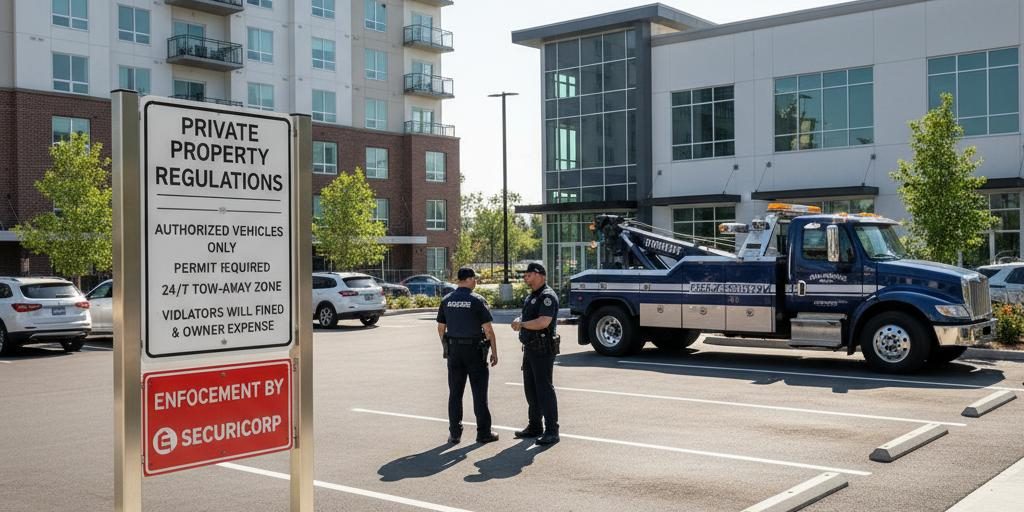
Understanding Property Laws: Key Enforcement Tips For Private Property Parking
Understanding property laws is essential for effectively managing and enforcing parking regulations on private property. Property owners and managers must navigate a complex legal landscape to ensure that their enforcement practices are both lawful and effective. By gaining a clear understanding of the relevant laws and implementing strategic enforcement measures, private lot owners can maintain order, deter unauthorized parking, and protect their property rights.
To begin with, it is important to recognize that private property parking enforcement is governed by a combination of local ordinances, state statutes, and property rights. These laws vary by jurisdiction, so property owners should consult with legal professionals or local authorities to understand the specific regulations that apply to their location. For instance, some municipalities require signage that clearly indicates parking restrictions, towing policies, and contact information for the towing company. Without proper signage, enforcement actions such as towing or ticketing may be deemed invalid, potentially exposing the property owner to legal liability.
Once the legal framework is understood, the next step is to implement clear and visible signage throughout the parking area. Signage should be placed at all entrances and throughout the lot to ensure that all drivers are aware of the rules. These signs should include information about who is allowed to park, the consequences of unauthorized parking, and the procedures for retrieving a towed vehicle. By providing this information upfront, property owners can reduce disputes and enhance compliance.
In addition to signage, consistent enforcement is critical. Sporadic or selective enforcement can undermine the credibility of the rules and may lead to claims of discrimination or unfair treatment. To avoid such issues, property owners should establish a standardized enforcement protocol. This may include regular patrols, documentation of violations, and coordination with a licensed towing company. Keeping detailed records of each enforcement action, including photographs and written reports, can provide valuable evidence in the event of a dispute.
Moreover, property owners should consider implementing a permit system for authorized vehicles. Permits can help distinguish between residents, employees, or customers and unauthorized users. This system not only simplifies enforcement but also provides a clear basis for identifying violators. In cases where a permit system is not feasible, alternative methods such as vehicle registration logs or digital tracking tools may be employed to monitor parking activity.
It is also advisable to communicate parking policies clearly to all stakeholders, including tenants, employees, and visitors. Providing written guidelines and periodic reminders can reinforce expectations and reduce the likelihood of violations. In multi-tenant properties, coordination among tenants can further support consistent enforcement and shared responsibility.
Finally, property owners should remain informed about changes in local laws and best practices in parking enforcement. Attending workshops, joining property management associations, or subscribing to industry publications can provide valuable insights and updates. Staying proactive in this regard ensures that enforcement strategies remain compliant and effective over time.
In conclusion, understanding and applying property laws is fundamental to successful private parking lot enforcement. By combining legal knowledge with practical enforcement strategies, property owners can protect their rights, maintain order, and foster a respectful parking environment for all users.
Parking Control Strategies: How To Handle Unauthorized Vehicles Effectively
Effective enforcement of parking regulations in private lots is essential to maintaining order, ensuring safety, and maximizing the availability of spaces for authorized users. Unauthorized vehicles not only disrupt the intended use of the property but can also lead to liability issues and customer dissatisfaction. Therefore, implementing a comprehensive parking control strategy is crucial for property owners and managers seeking to handle unauthorized vehicles effectively.
To begin with, clear and visible signage is one of the most fundamental components of any enforcement strategy. Signs should be strategically placed at all entrances and throughout the lot, clearly stating the parking rules, restrictions, and potential consequences for violations. This includes specifying who is allowed to park, the hours of enforcement, and whether towing or fines will be imposed. When signage is unambiguous and compliant with local regulations, it serves as both a deterrent and a legal foundation for enforcement actions.
In addition to signage, the use of access control systems can significantly reduce the incidence of unauthorized parking. Gated entry points, keycard access, or license plate recognition technology can help ensure that only authorized vehicles gain entry. These systems not only enhance security but also provide a record of vehicle activity, which can be useful in identifying repeat offenders or investigating disputes.
Another effective strategy involves regular monitoring and patrolling of the parking area. Employing trained personnel or partnering with a professional parking enforcement service can help maintain a consistent presence and deter unauthorized use. Patrols should be conducted at varying times to prevent predictability and ensure comprehensive coverage. During these patrols, enforcement personnel can issue warnings, citations, or initiate towing procedures as necessary, depending on the severity and frequency of the violation.
Moreover, implementing a permit system can further streamline enforcement efforts. By requiring residents, employees, or authorized visitors to display a valid parking permit, it becomes easier to identify unauthorized vehicles at a glance. Permits can be physical decals or digital passes linked to license plate numbers. When combined with regular audits and enforcement, this system helps maintain accountability and reduces the likelihood of unauthorized access.
It is also important to establish a clear and fair process for handling violations. This includes documenting each incident with photographs and written reports, notifying the vehicle owner when possible, and providing information on how to contest a citation or retrieve a towed vehicle. Transparency in enforcement procedures not only protects the property owner legally but also fosters trust among legitimate users of the parking facility.
Furthermore, communication plays a vital role in effective parking control. Keeping tenants, employees, or customers informed about parking policies and any changes to enforcement practices helps prevent misunderstandings and encourages compliance. Regular updates through email, posted notices, or community meetings can reinforce the importance of adhering to the rules.
In conclusion, managing unauthorized vehicles in private parking lots requires a multifaceted approach that combines clear communication, technological tools, consistent enforcement, and legal compliance. By implementing these strategies thoughtfully and proactively, property managers can maintain order, enhance user satisfaction, and protect the integrity of their parking facilities.
Enhancing Security And Parking Rights: Proactive Enforcement Tips For Private Lots
Effective enforcement of parking regulations in private lots is essential to maintaining order, ensuring safety, and protecting the rights of authorized users. As private property owners or managers, taking a proactive approach to enforcement not only deters unauthorized use but also enhances the overall security of the premises. By implementing a combination of strategic planning, clear communication, and consistent monitoring, private lot operators can significantly improve compliance and reduce conflicts.
To begin with, establishing clear and visible signage is a fundamental step in proactive enforcement. Signage should clearly state the parking rules, including who is permitted to park, the hours of enforcement, and the consequences of violations. These signs must be placed at all entrances and throughout the lot to ensure they are easily seen by all drivers. In addition to meeting local legal requirements, well-designed signage serves as a deterrent to unauthorized parkers and provides a legal basis for enforcement actions.
Equally important is the implementation of a permit or registration system. Requiring residents, employees, or authorized visitors to display a parking permit helps distinguish legitimate users from violators. This system can be managed manually or through digital platforms that allow for real-time tracking and verification. Digital systems, in particular, offer the advantage of streamlining enforcement efforts and reducing administrative burdens.
Moreover, regular patrols by trained personnel play a critical role in maintaining order. Security staff or contracted enforcement agents should conduct routine inspections to identify violations such as expired permits, vehicles parked in reserved spaces, or unauthorized overnight parking. These patrols not only help enforce rules but also serve as a visible presence that can deter criminal activity, thereby enhancing the overall security of the lot.
In addition to physical patrols, the use of surveillance technology can further strengthen enforcement efforts. Installing security cameras at strategic locations provides a record of activity within the lot and can be instrumental in resolving disputes or identifying repeat offenders. When combined with license plate recognition systems, surveillance tools can automate the identification of unauthorized vehicles and support more efficient enforcement.
Another effective strategy involves establishing a clear and fair violation process. This includes issuing warnings or citations for first-time offenses and escalating penalties for repeat violations. It is essential that this process is consistently applied and well-documented to avoid claims of unfair treatment. Providing a mechanism for appeals or dispute resolution can also help maintain positive relations with tenants or customers while reinforcing the legitimacy of the enforcement program.
Furthermore, engaging with the community or stakeholders who use the lot can foster cooperation and compliance. Regular communication through newsletters, emails, or meetings can help reinforce parking policies and inform users of any changes. Encouraging feedback also allows lot managers to address concerns proactively and adapt enforcement strategies as needed.
Ultimately, the key to effective enforcement in private parking lots lies in a balanced approach that combines preventive measures with responsive actions. By investing in clear communication, reliable monitoring systems, and consistent enforcement practices, property owners can protect parking rights, enhance security, and create a more orderly environment for all users.
Discover top strategies in our July Series #51: Effective Enforcement Tips for Private Parking Lots. Maximize compliance and protect your property today.
Get Your Free Quote Now
