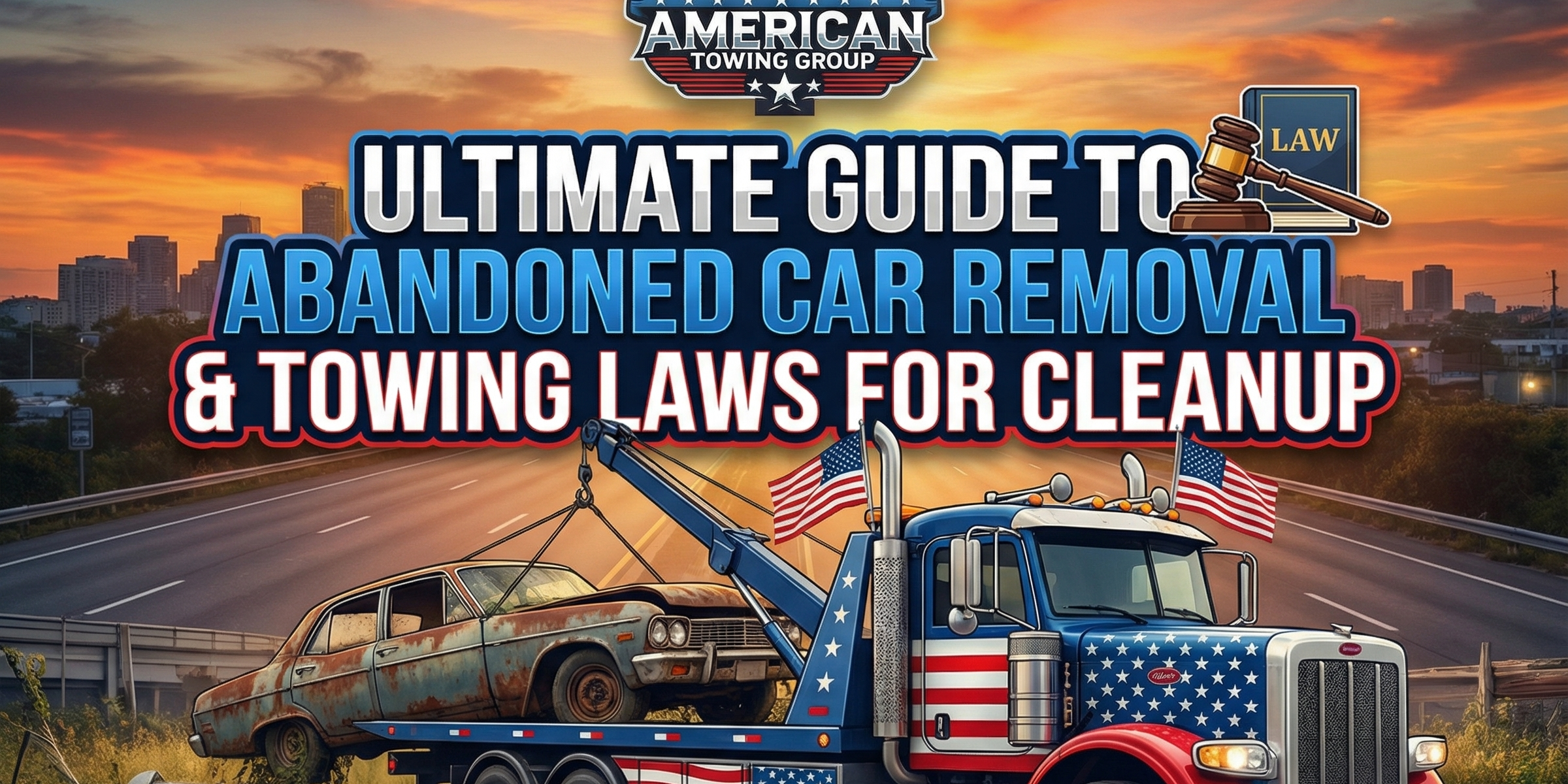
Understanding Towing Laws: A Property Owner’s Guide To Abandoned Car Removal
Dealing with abandoned vehicles on private property can be a frustrating experience for property owners. Understanding the legal framework surrounding towing laws is essential to ensure that the removal process is conducted lawfully and efficiently. Each state and municipality may have its own set of regulations governing the removal of abandoned vehicles, making it crucial for property owners to familiarize themselves with local ordinances before taking any action.
To begin with, it is important to determine whether a vehicle is legally considered abandoned. Generally, a vehicle is classified as abandoned if it has been left unattended on private property without the consent of the property owner for a specified period, which can range from 24 hours to several days depending on local laws. In some jurisdictions, additional factors such as expired registration, visible damage, or lack of license plates may also contribute to a vehicle being deemed abandoned. Property owners should consult their local law enforcement or municipal code enforcement office to confirm the specific criteria applicable in their area.
Once a vehicle is identified as abandoned, the next step involves notifying the appropriate authorities. In many cases, property owners are required to report the vehicle to local law enforcement or a designated municipal agency. This notification typically initiates a formal process, which may include an inspection of the vehicle and an attempt to contact the registered owner. Authorities may issue a notice to the vehicle owner, providing them with a limited timeframe to remove the vehicle voluntarily. If the owner fails to comply within the allotted time, the property owner may then be authorized to proceed with towing.
However, property owners must exercise caution when arranging for the removal of an abandoned vehicle. Unauthorized towing can lead to legal complications, including potential liability for damages or violations of consumer protection laws. To avoid such issues, it is advisable to work with a licensed towing company that is familiar with local regulations. These professionals can ensure that the towing process adheres to all legal requirements, including proper documentation, notification procedures, and storage protocols.
In addition to coordinating with a reputable towing service, property owners should maintain thorough records of all communications and actions taken throughout the removal process. This includes copies of any notices issued, photographs of the vehicle’s condition and location, and receipts from the towing company. Such documentation can be invaluable in the event of a dispute or legal inquiry.
It is also worth noting that some jurisdictions may require property owners to post signage indicating that unauthorized vehicles will be towed at the owner’s expense. These signs must typically meet specific visibility and content standards to be legally enforceable. Ensuring that such signage is in place can serve as a deterrent to potential violators and provide legal backing for future towing actions.
Ultimately, understanding and adhering to towing laws is a critical component of managing abandoned vehicles on private property. By taking the time to research local regulations, engage with the appropriate authorities, and follow proper procedures, property owners can protect their rights while maintaining the safety and appearance of their premises.
How To Handle Derelict Vehicles: Junk Vehicle Towing And Property Cleanup Tips
Dealing with derelict vehicles on private property can be a challenging and often frustrating experience for property owners. These abandoned or junk vehicles not only create an eyesore but can also pose safety hazards, attract pests, and potentially violate local ordinances. Understanding how to handle such situations effectively is essential for maintaining the value and appearance of your property while staying compliant with municipal regulations.
The first step in addressing a derelict vehicle is to determine its legal status. A vehicle may be considered abandoned or junk if it is inoperable, lacks current registration, or has been left unattended for an extended period. Property owners should consult local laws and ordinances to understand the specific criteria used to classify a vehicle as derelict. In many jurisdictions, a vehicle must meet certain conditions—such as missing essential parts or being immobile for a set number of days—before it can be legally removed.
Once a vehicle has been identified as abandoned or junk, it is important to document its condition and location. Taking photographs and noting identifying details such as the make, model, license plate (if present), and visible damage can be helpful if legal action becomes necessary. Additionally, property owners should attempt to identify and contact the vehicle’s owner, if possible. Leaving a written notice on the vehicle with a deadline for removal is a common practice and may be required by local law before further steps can be taken.
If the owner does not respond or the vehicle remains on the property past the designated timeframe, the next course of action is to contact local authorities or a licensed towing company. Many municipalities have procedures in place for reporting abandoned vehicles, and some may even offer removal services. When hiring a towing company, it is crucial to ensure they are properly licensed and experienced in handling junk vehicle removal. These professionals can safely tow the vehicle without causing damage to your property and will typically dispose of it in accordance with environmental regulations.
In addition to removing the vehicle itself, property owners should consider the broader implications of property cleanup. Derelict vehicles often leave behind debris, oil stains, or other contaminants that can affect the surrounding environment. After the vehicle is removed, a thorough inspection of the area should be conducted. Cleaning up any residual waste, repairing damaged surfaces, and restoring landscaping can help return the property to its original condition and prevent future issues.
Preventative measures can also play a key role in avoiding similar problems in the future. Installing signage that prohibits unauthorized parking, maintaining clear boundaries, and regularly monitoring the property can deter individuals from abandoning vehicles. In cases where properties are vacant or under development, temporary fencing or surveillance systems may provide additional protection.
Ultimately, handling derelict vehicles requires a combination of legal awareness, proactive communication, and timely action. By following the appropriate steps and working with qualified professionals, property owners can effectively manage junk vehicle towing and property cleanup, ensuring their land remains safe, clean, and compliant with local standards.
Creating Effective Tow-Away Zones: Car Disposal Strategies For Property Owners
Creating effective tow-away zones is a crucial strategy for property owners seeking to manage abandoned vehicles and maintain the integrity of their premises. When vehicles are left unattended for extended periods, they not only create an eyesore but can also pose safety hazards, reduce available parking, and potentially lower property values. Therefore, implementing a structured approach to car disposal is essential for preserving the functionality and appearance of private property.
To begin with, property owners must first understand the legal framework governing vehicle removal in their jurisdiction. Local and state laws often dictate the procedures for declaring a vehicle abandoned, the required notice periods, and the proper methods for towing and disposal. Familiarity with these regulations ensures that property owners act within their legal rights and avoid potential liability. Consulting with a legal professional or local law enforcement can provide clarity on these requirements and help establish a compliant removal process.
Once the legal groundwork is established, the next step involves clearly designating tow-away zones on the property. This includes installing visible signage that complies with local ordinances, typically indicating that unauthorized or abandoned vehicles will be towed at the owner’s expense. These signs should be placed at all entrances and throughout the parking area to ensure they are easily seen by all drivers. Proper signage not only serves as a deterrent but also provides the necessary legal notice to vehicle owners, which is often a prerequisite for lawful towing.
In addition to signage, property owners should develop a written towing policy that outlines the criteria for vehicle removal, the process for reporting violations, and the contact information for the towing company. This policy should be communicated to all tenants, employees, or residents to ensure transparency and cooperation. By establishing clear expectations, property owners can reduce disputes and foster a sense of shared responsibility for maintaining the property.
Selecting a reputable towing service is another critical component of an effective car disposal strategy. The chosen company should be licensed, insured, and experienced in handling abandoned vehicle removals in accordance with local laws. Establishing a formal agreement with the towing provider can streamline the process and ensure timely response when a vehicle needs to be removed. Additionally, maintaining records of all towed vehicles, including photographs and documentation of notices issued, can protect property owners in the event of legal challenges.
Furthermore, proactive communication with vehicle owners can sometimes resolve issues without the need for towing. If a vehicle appears to be abandoned but is not obstructing access or posing an immediate hazard, property owners may consider placing a warning notice on the vehicle, requesting that it be moved within a specified timeframe. This approach can often lead to voluntary compliance and reduce the need for more aggressive measures.
Ultimately, creating effective tow-away zones requires a combination of legal awareness, clear communication, and strategic planning. By taking these steps, property owners can efficiently manage abandoned vehicles, uphold property standards, and ensure a safe and orderly environment for all occupants. As part of a broader property management strategy, these efforts contribute to the long-term value and appeal of the property.
Take control of your property today—learn how to handle abandoned vehicles with ease in our “Abandoned Vehicle Removal: Property Owner’s Guide – May Series #3.”
Get your free quote now and reclaim your space!
