
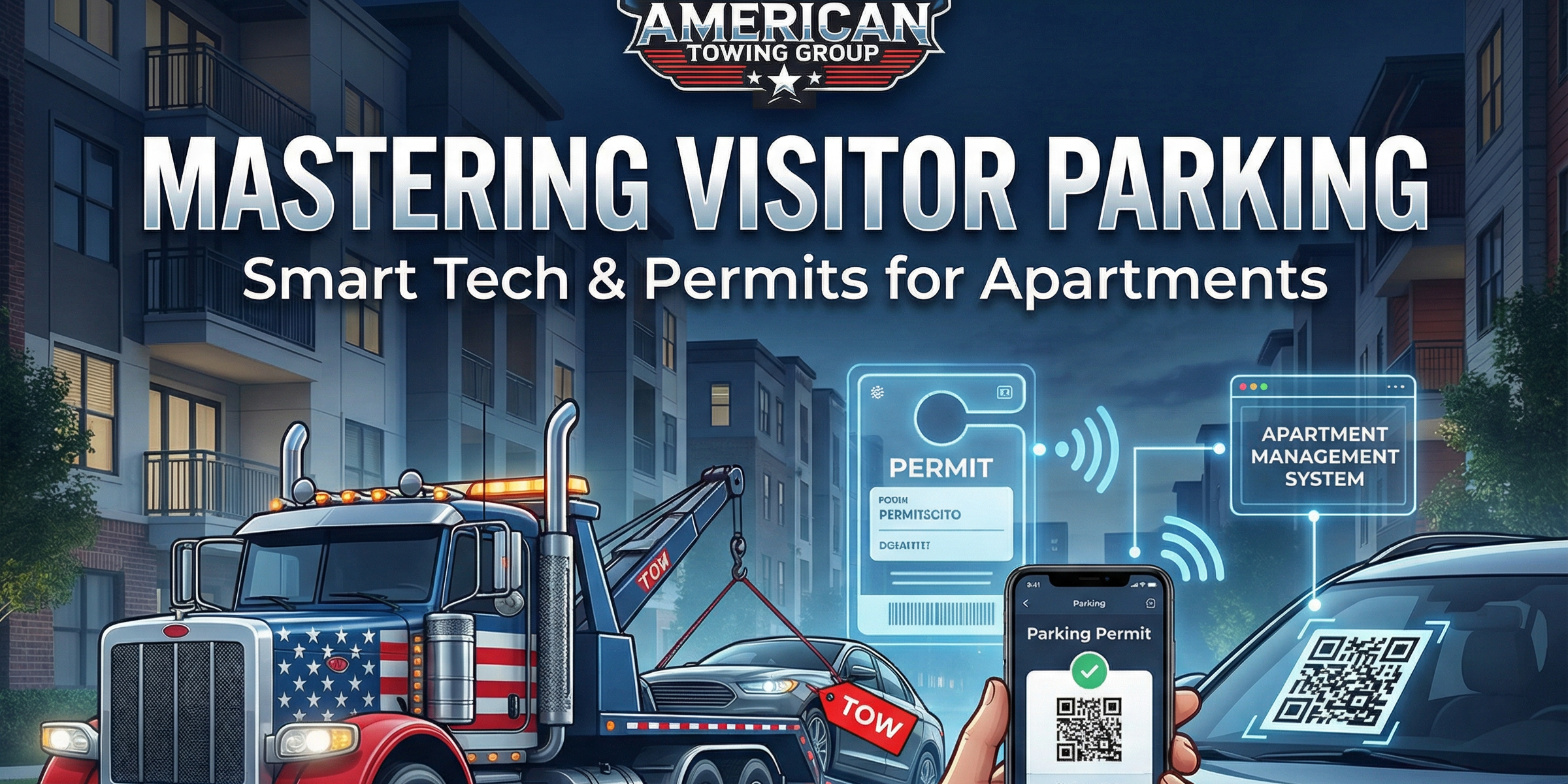
Enhancing Visitor Parking Efficiency with Smart Parking Tech in Apartment Complexes
As urban populations continue to grow and residential developments become increasingly dense, the demand for efficient and accessible parking solutions in apartment complexes has never been greater. One of the most pressing challenges faced by property managers and residents alike is the management of visitor parking. Traditional methods, such as manual logbooks or first-come, first-served systems, often lead to confusion, unauthorized use, and resident dissatisfaction. In response to these challenges, smart parking technology has emerged as a transformative solution, offering a more streamlined and effective approach to managing visitor parking in apartment complexes.
Smart parking systems leverage a combination of sensors, real-time data analytics, and mobile applications to provide a dynamic and user-friendly parking experience. By integrating these technologies, apartment complexes can significantly enhance the efficiency of their visitor parking operations. For instance, real-time occupancy sensors installed in parking spaces can detect whether a spot is occupied or available, transmitting this information to a centralized system. This data can then be accessed by visitors through a mobile app or digital display, allowing them to quickly locate available parking without the need for assistance from on-site staff.
Moreover, smart parking platforms often include reservation features that enable visitors to book parking spaces in advance. This not only reduces the time spent searching for parking upon arrival but also helps property managers anticipate demand and allocate resources accordingly. In addition, digital permits and license plate recognition systems can be used to monitor and control access to visitor parking areas, ensuring that only authorized vehicles are allowed entry. This level of oversight helps prevent misuse of parking spaces by unauthorized users and enhances overall security within the complex.
Another significant advantage of smart parking technology is its ability to generate detailed usage reports and analytics. These insights allow property managers to identify patterns in visitor parking behavior, such as peak usage times and average duration of stays. With this information, they can make informed decisions about how to optimize parking layouts, adjust policies, or invest in additional infrastructure if necessary. Furthermore, automated alerts and notifications can be configured to inform residents and visitors of parking availability, policy changes, or upcoming maintenance, thereby improving communication and reducing potential conflicts.
The integration of smart parking solutions also contributes to environmental sustainability. By minimizing the time vehicles spend idling or circling in search of parking, these systems help reduce fuel consumption and lower greenhouse gas emissions. This aligns with broader efforts to create more eco-friendly and livable urban environments, a goal that is increasingly important to both residents and developers.
In conclusion, the adoption of smart parking technology in apartment complexes represents a forward-thinking approach to addressing the complexities of visitor parking. By enhancing operational efficiency, improving user experience, and supporting sustainable practices, these systems offer a comprehensive solution that benefits all stakeholders. As technology continues to evolve, it is likely that smart parking will become an integral component of modern residential infrastructure, setting a new standard for convenience and efficiency in urban living.
Implementing Permit Systems for Better Guest Control and Residential Parking Management
Effectively managing visitor parking in apartment complexes is a growing concern for property managers and residents alike. As urban populations increase and residential developments become denser, the demand for limited parking spaces intensifies. One of the most efficient strategies to address this challenge is the implementation of a structured permit system. By introducing a well-regulated permit process, apartment complexes can enhance guest control, ensure fair access to parking, and maintain order within residential areas.
A permit system serves as a foundational tool for distinguishing between resident and visitor vehicles. This distinction is crucial in preventing unauthorized use of parking spaces, which often leads to frustration among tenants and logistical complications for management. When residents are assured that their designated spots are protected and that guest parking is monitored, overall satisfaction and community harmony improve. Moreover, a permit system allows for better tracking of vehicle activity, which can be instrumental in enhancing security and deterring potential misuse of parking facilities.
To implement an effective permit system, property managers must first assess the specific needs and layout of their complex. This includes evaluating the number of available parking spaces, identifying high-traffic areas, and determining peak visitation times. Based on this analysis, managers can allocate a reasonable number of guest permits and establish clear guidelines for their use. For instance, time-limited permits can be issued to ensure that visitor parking is used appropriately and not monopolized by long-term guests or unauthorized vehicles.
In addition to physical permits, many complexes are now turning to digital solutions to streamline the process. Online registration platforms and mobile apps allow residents to request guest permits in real time, reducing administrative burdens and increasing convenience. These systems often include features such as license plate recognition and automated alerts, which further enhance monitoring capabilities. By leveraging technology, apartment complexes can maintain accurate records of guest parking activity and respond swiftly to any violations.
Equally important is the communication of parking policies to all residents and their guests. Clear signage, informative welcome packets, and regular reminders can help ensure that everyone understands the rules and consequences associated with parking violations. Transparency in enforcement is also key; consistent application of penalties for non-compliance reinforces the importance of adhering to the permit system and discourages repeat offenses.
Furthermore, integrating the permit system with broader residential parking management strategies can yield even greater benefits. For example, combining permit controls with designated visitor zones, time-restricted parking, and overflow arrangements can create a more flexible and responsive parking environment. This holistic approach not only optimizes space utilization but also accommodates the varying needs of residents and their guests.
Ultimately, the success of a permit system hinges on thoughtful planning, effective communication, and ongoing evaluation. Regularly reviewing the system’s performance and soliciting feedback from residents can help identify areas for improvement and ensure that the parking management strategy evolves alongside the community’s needs. By implementing a robust permit system, apartment complexes can achieve better guest control, enhance residential satisfaction, and foster a more organized and secure living environment.
Top Strategies for Parking Optimization in Apartment Management
Optimizing visitor parking in apartment complexes is a critical component of effective property management. As urban populations grow and residential density increases, the demand for limited parking spaces becomes more pronounced. Apartment managers must therefore implement strategic solutions to ensure that visitor parking is both accessible and efficiently utilized. By adopting a combination of policy development, technological integration, and proactive communication, property managers can significantly enhance the parking experience for residents and their guests.
One of the most effective strategies begins with establishing clear and enforceable parking policies. These policies should define who qualifies as a visitor, the duration of allowable parking, and any restrictions based on time of day or day of the week. By setting these parameters, management can prevent long-term or unauthorized use of visitor spaces by residents or non-residents. Furthermore, clearly posted signage and regular communication with tenants about these rules help reinforce compliance and reduce confusion.
In addition to policy enforcement, leveraging technology can greatly improve the efficiency of visitor parking management. Digital parking management systems, for instance, allow residents to register their guests in advance, enabling real-time tracking of space availability. These systems can also issue temporary digital permits, reducing the need for physical tags and minimizing administrative overhead. Moreover, integrating license plate recognition (LPR) technology can streamline monitoring and enforcement, ensuring that only authorized vehicles occupy designated visitor spots.
Another key strategy involves optimizing the physical layout and allocation of parking spaces. Conducting a thorough assessment of current usage patterns can reveal underutilized areas that may be repurposed for visitor parking during peak times. For example, spaces typically reserved for residents who are away during holidays or weekends can be temporarily reassigned to accommodate increased visitor traffic. Additionally, implementing shared parking models—where spaces are dynamically allocated based on real-time demand—can maximize the utility of existing infrastructure without the need for costly expansions.
Equally important is fostering open communication between management and residents. Encouraging feedback on parking challenges and involving tenants in the development of parking solutions can lead to more practical and widely accepted policies. Regular updates through newsletters, community meetings, or digital platforms ensure that residents remain informed about any changes or improvements to the parking system. This collaborative approach not only enhances transparency but also promotes a sense of community responsibility in maintaining order and fairness.
Furthermore, partnerships with local transportation services can offer alternative solutions that alleviate parking demand. For instance, promoting the use of nearby public transit options or offering incentives for carpooling can reduce the number of vehicles requiring on-site parking. In some cases, arranging off-site parking with shuttle services for overflow situations can provide a flexible and scalable solution during high-demand periods.
In conclusion, optimizing visitor parking in apartment complexes requires a multifaceted approach that balances policy, technology, infrastructure, and community engagement. By proactively addressing the challenges associated with limited parking availability, apartment managers can create a more organized, efficient, and resident-friendly environment. As the needs of urban living continue to evolve, so too must the strategies employed to manage one of its most persistent logistical concerns.
Optimize your apartment complex’s visitor parking today—ensure convenience, safety, and compliance for all guests. Take control of your parking management now with expert solutions.
Get Your Free Quote
