
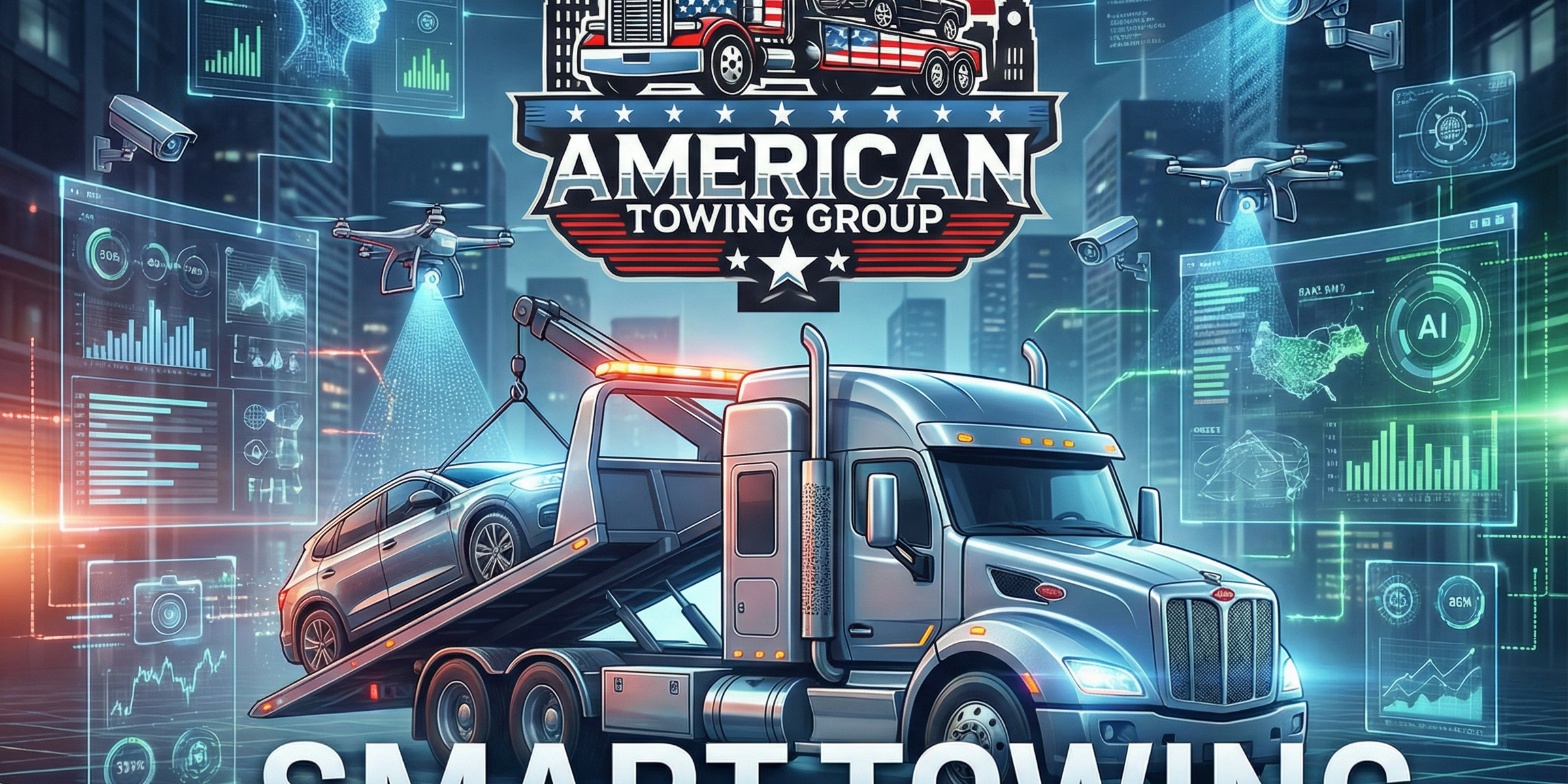
Revolutionizing Parking Enforcement: How AI Enforcement and Smart Towing Are Enhancing Efficiency
In recent years, the integration of smart technology into parking enforcement has significantly transformed the way municipalities and private property owners manage unauthorized parking. As urban areas continue to grow and vehicle ownership increases, the demand for efficient, accurate, and fair parking enforcement solutions has never been greater. Among the most impactful innovations are artificial intelligence (AI) enforcement systems and smart towing technologies, which are revolutionizing traditional methods and enhancing operational efficiency across the board.
One of the primary advantages of AI enforcement lies in its ability to process vast amounts of data in real time. By utilizing machine learning algorithms and computer vision, AI-powered systems can automatically detect parking violations, such as expired meters, unauthorized vehicles in reserved spaces, or cars parked in no-parking zones. These systems often rely on a network of cameras and sensors strategically placed throughout parking lots, which continuously monitor vehicle activity. When a violation is detected, the system can instantly alert enforcement personnel or initiate automated processes, thereby reducing the need for manual patrols and minimizing human error.
Moreover, AI enforcement contributes to a more consistent and impartial application of parking regulations. Unlike human officers, AI systems do not suffer from fatigue or subjective judgment, ensuring that all violations are identified and addressed uniformly. This not only improves compliance but also enhances public trust in the fairness of parking enforcement practices. Additionally, the data collected by these systems can be analyzed to identify patterns and trends, enabling authorities to make informed decisions about resource allocation, signage placement, and policy adjustments.
In tandem with AI enforcement, smart towing technologies are streamlining the removal of unauthorized vehicles. Traditional towing operations often involve time-consuming coordination between property managers, enforcement officers, and towing companies. However, with the advent of integrated digital platforms, this process has become significantly more efficient. For instance, when an AI system detects a violation, it can automatically generate a service request to a nearby towing provider, complete with photographic evidence and location data. This reduces response times and ensures that tows are conducted based on verified infractions.
Furthermore, smart towing systems often include GPS tracking and real-time communication tools, allowing property managers and vehicle owners to monitor the status of a tow. This transparency helps reduce disputes and enhances accountability among all parties involved. In some cases, vehicle owners can even receive automated notifications before their car is towed, giving them an opportunity to rectify the situation and avoid penalties. Such features not only improve the user experience but also contribute to a more cooperative and less adversarial enforcement environment.
As these technologies continue to evolve, their integration is expected to become more seamless and widespread. The combination of AI enforcement and smart towing represents a significant leap forward in parking lot management, offering a scalable solution that addresses the challenges of modern urban mobility. By enhancing accuracy, reducing operational costs, and promoting fairness, these innovations are setting a new standard for parking enforcement in the digital age. Ultimately, the adoption of smart technology in this sector underscores a broader trend toward intelligent infrastructure that prioritizes efficiency, transparency, and user engagement.
The Rise of Digital Tow Systems: Parking Innovation Through Automated Towing Technology
As urban centers continue to grow and vehicle ownership increases, the demand for efficient parking management has never been greater. In response to this challenge, smart technology is transforming the landscape of parking enforcement, particularly through the rise of digital tow systems. These innovations are not only streamlining the towing process but also enhancing transparency, accountability, and operational efficiency for both property owners and towing companies.
At the core of this transformation is the integration of automated systems that leverage real-time data, license plate recognition (LPR), and cloud-based platforms. These technologies work in tandem to monitor parking lots, identify violations, and initiate towing procedures with minimal human intervention. For instance, LPR cameras can scan and record vehicle plates as they enter and exit a parking facility. When a vehicle is found to be in violation—such as parking without authorization or overstaying a time limit—the system can automatically flag it for towing. This reduces the need for manual patrolling and allows for quicker response times, ultimately improving the overall efficiency of parking enforcement.
Moreover, digital tow systems offer a higher level of transparency and documentation. Every step of the towing process—from the initial violation detection to the actual removal of the vehicle—is logged and stored in a centralized database. This digital trail not only helps resolve disputes more effectively but also ensures compliance with local regulations. Property managers and vehicle owners alike benefit from this increased clarity, as they can access detailed records, including time-stamped images and violation reports, through secure online portals.
In addition to improving enforcement accuracy, these systems also enhance communication between stakeholders. Automated notifications can be sent to vehicle owners via text or email, informing them of a pending tow or providing instructions for vehicle retrieval. This proactive approach reduces confusion and frustration, while also giving owners an opportunity to rectify the situation before their vehicle is removed. For towing companies, digital platforms facilitate better coordination with dispatch teams and drivers, ensuring that resources are allocated efficiently and that service requests are fulfilled promptly.
Another significant advantage of automated towing technology is its scalability. Whether managing a small private lot or a large commercial complex, digital tow systems can be customized to meet specific needs. Features such as geofencing, customizable violation parameters, and integration with mobile apps allow for flexible and adaptive enforcement strategies. As a result, property owners can maintain control over their parking assets while minimizing the risk of unauthorized use.
Furthermore, the adoption of smart towing solutions aligns with broader trends in urban mobility and sustainability. By reducing the need for constant patrolling and paper-based documentation, these systems contribute to lower emissions and a smaller environmental footprint. Additionally, the data collected through digital platforms can be analyzed to identify patterns and optimize parking policies, leading to more informed decision-making and better resource management.
In conclusion, the rise of digital tow systems marks a pivotal shift in parking lot management. Through the use of automated technology, property owners and enforcement agencies are now equipped with powerful tools to ensure compliance, improve efficiency, and enhance the overall parking experience. As these systems continue to evolve, they are poised to play an increasingly vital role in the future of urban infrastructure.
Parking Tech Breakthroughs: Smart Towing Solutions Driving the Future of Urban Mobility
As urban centers continue to grow and evolve, the demand for efficient, responsive, and intelligent transportation infrastructure has never been greater. Among the many facets of urban mobility, parking lot management and towing services are undergoing a significant transformation, driven by the integration of smart technology. These innovations are not only streamlining operations but also enhancing the overall experience for drivers, property owners, and municipal authorities alike.
One of the most notable breakthroughs in this domain is the implementation of real-time vehicle monitoring systems. By leveraging sensors, cameras, and license plate recognition technology, parking lots can now automatically detect unauthorized vehicles or those that have overstayed their permitted time. This data is instantly transmitted to centralized platforms, allowing towing operators to respond more quickly and accurately. As a result, the traditional model of patrolling lots manually is being replaced by a more proactive and data-driven approach, significantly reducing response times and operational costs.
In addition to real-time monitoring, the integration of artificial intelligence and machine learning algorithms is further enhancing the decision-making process. These systems can analyze patterns in parking behavior, predict peak usage times, and even identify high-risk areas for violations. Consequently, towing services can allocate resources more efficiently, ensuring that enforcement is both fair and effective. Moreover, AI-driven analytics provide valuable insights to property managers and city planners, enabling them to make informed decisions about parking policies and infrastructure development.
Another key advancement is the use of mobile applications that connect drivers, towing companies, and property managers in a seamless digital ecosystem. These apps allow users to receive instant notifications if their vehicle is at risk of being towed, pay fines or fees electronically, and even locate their vehicle if it has already been removed. For towing operators, these platforms offer route optimization tools, real-time job updates, and digital documentation capabilities, all of which contribute to a more transparent and accountable service.
Furthermore, the adoption of GPS tracking and geofencing technologies is revolutionizing fleet management within the towing industry. Tow trucks equipped with GPS can be dispatched more efficiently, reducing fuel consumption and improving response times. Geofencing allows for the creation of virtual boundaries around specific areas, triggering alerts when a vehicle enters or exits a designated zone. This is particularly useful for monitoring restricted parking areas and ensuring compliance with local regulations.
As cities strive to become smarter and more sustainable, the environmental impact of towing operations is also being addressed. Electric and hybrid tow trucks are beginning to replace traditional diesel-powered vehicles, contributing to lower emissions and quieter operation. Additionally, smart scheduling systems help minimize unnecessary trips, further reducing the carbon footprint associated with towing services.
In conclusion, the convergence of smart technologies in parking lot towing is reshaping the landscape of urban mobility. From real-time monitoring and AI-driven analytics to mobile connectivity and eco-friendly practices, these innovations are creating a more efficient, responsive, and sustainable towing ecosystem. As these technologies continue to mature, they promise to play a pivotal role in the development of smarter cities and more livable urban environments.
Discover how Smart Technology is revolutionizing parking lot towing in Series #45 of our trend spotlight. Stay ahead with cutting-edge solutions that enhance efficiency and safety.
